Thomas Little Ricks(1810-1850)
My Paternal 3rd Great Grandfather , married Sarah Ann Latham
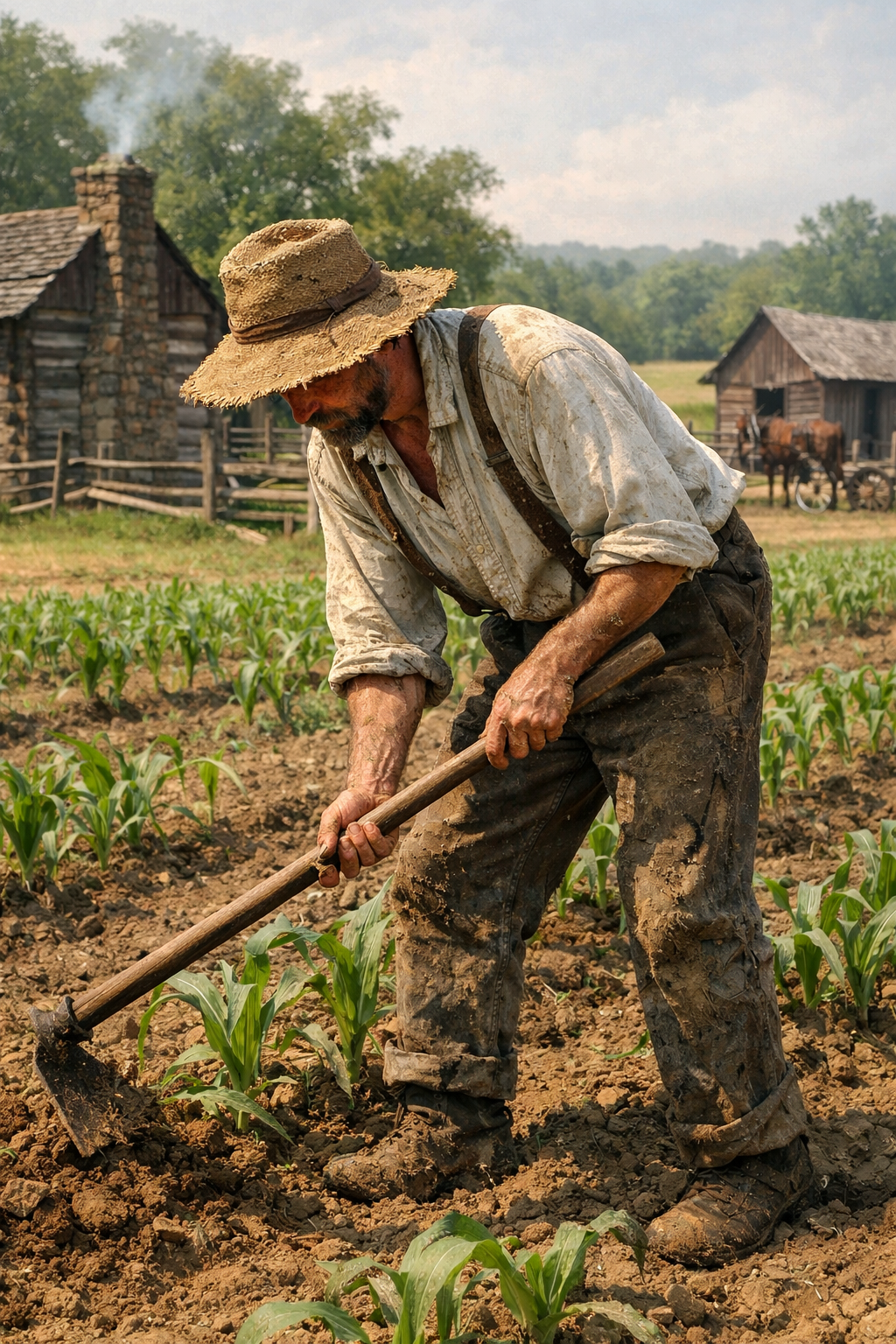
Thomas Little Ricks, the son of Alexander Ricks and a women known to history as only Mrs. Alexander Ricks, was born in Nash County, North Carolina in 1802. Some historians describe Nash County as an “uncouth offspring of Edgecombe County, an area only of whiskey and fighting.” An antebellum account of Thorpe family, one of the county’s wealthiest plantation owners, described a grand life filled with oysters, cigars, cakes and brandy, and tailor made bonnets of fine silk but for the average family this life was not attainable. The county was named to honor General Francis Nash who was mortally wounded while fighting under George Washington during the American Revolution. NCPedia describes life in North Carolina in those days as follows: “Times were hard; there is no doubt. Days were long and rewards were slight. Yet an increasing number of Carolinians had succeeded in purchasing their own farms.” And, as the Fayetteville Observer, in 1837, proudly pointed out: "The great mass of our population is composed of people who cultivate their own soil, owe no debt, and live within their means. It is true we have no overgrown fortunes, but it is also true that we have few beggars."
[Image: AI generated image of farmer in 1800s]
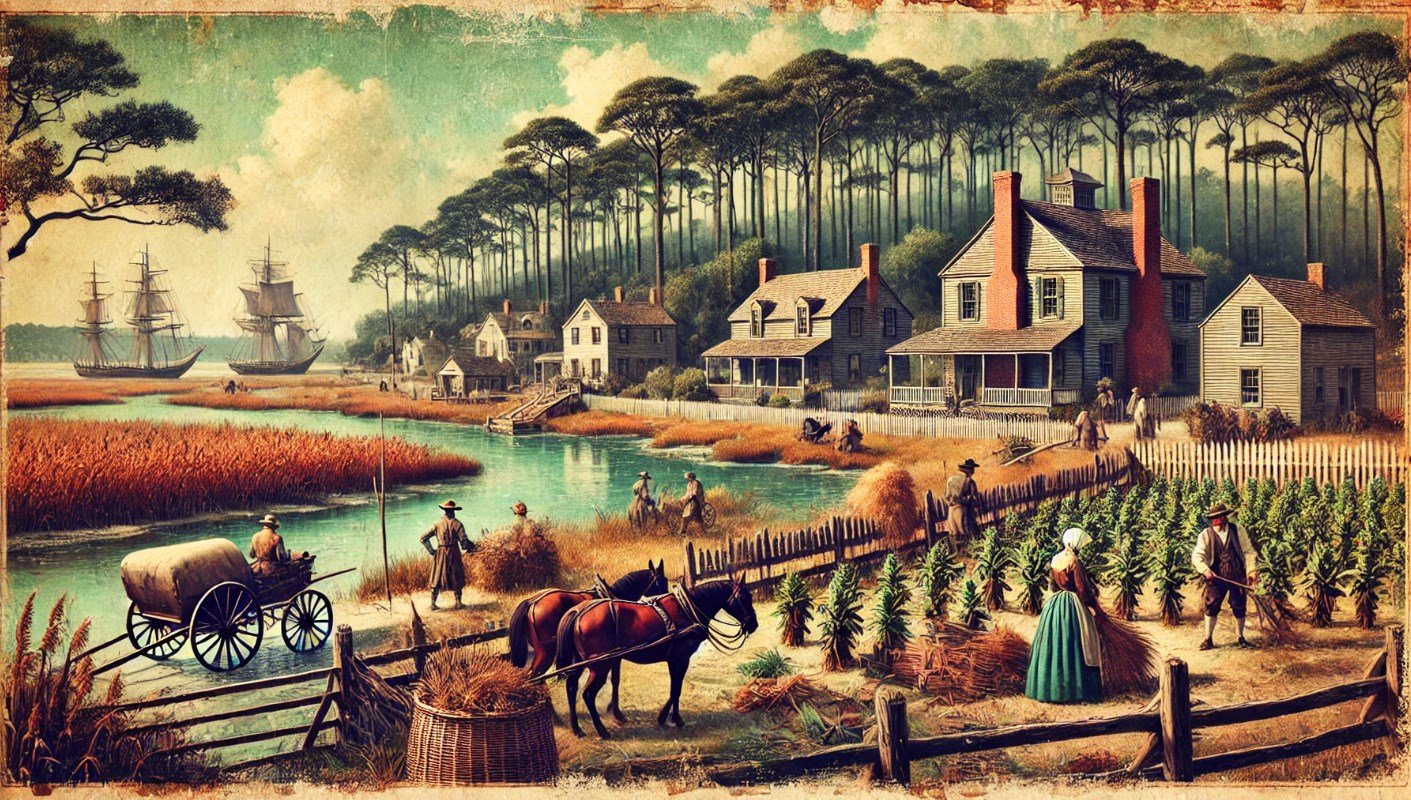
[Image: Life in Beaufort, North Carolina in the 1700s]
In 1824 Thomas married Sarah Ann Latham, a descendant of Mary Chilton who famously arrived in America on the Mayflower. (The story of the Mayflower and my family connection to it is covered in depth in another section. ) The couple settled in Tranter’s Creek in Beaufort County, on the North Carolina coastline, to be near Sarah’s family. Beaufort County is known today for its coastal charm and antebellum buildings. It sits “where the intracoastal waterway gives the Atlantic Ocean a warm embrace.” It was a vital trade route for goods like tobacco and cotton and prospered in the mid-19th century when the railroads arrived to help facilitate economic progress.
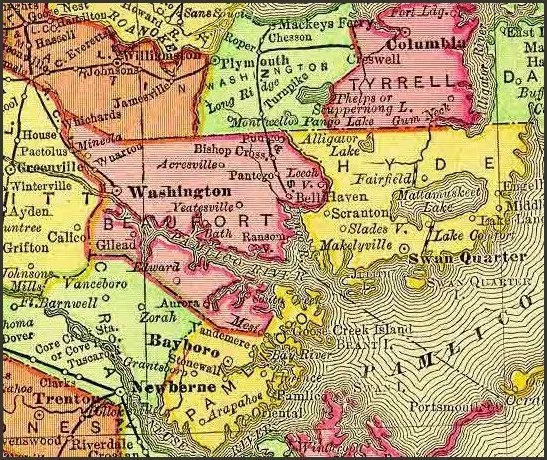
By the 1830 census Thomas and Sarah had one daughter, Jane Amanda; two sons, William Alexander and Edward Thomas; and four enslaved persons. By the 1840 census the family had added five more sons: Benjamin Henry, John Watkins Williams, Robert Van Buren (my 2nd great grandfather), James Churchill and Samuel Elisha; and the family had ceased using slave labor. Sarah gave birth to one more daughter, Margaret Loveger, in 1842 and her last son, Harold Francis, was born in 1844.
[Image: Map of Beaufort County, North Carolina in 1895]
Thomas and Sarah’s daughter Jane Amanda, married a farmer named William Carrow. In the 1850 census William owned five enslaved persons. In the 1880 census Jane was widowed. That year she worked as a seamstress and lived with her daughter Sarah Day’s family in the small rural town of Pantego in Beaufort County. She lived to be 81 years old.
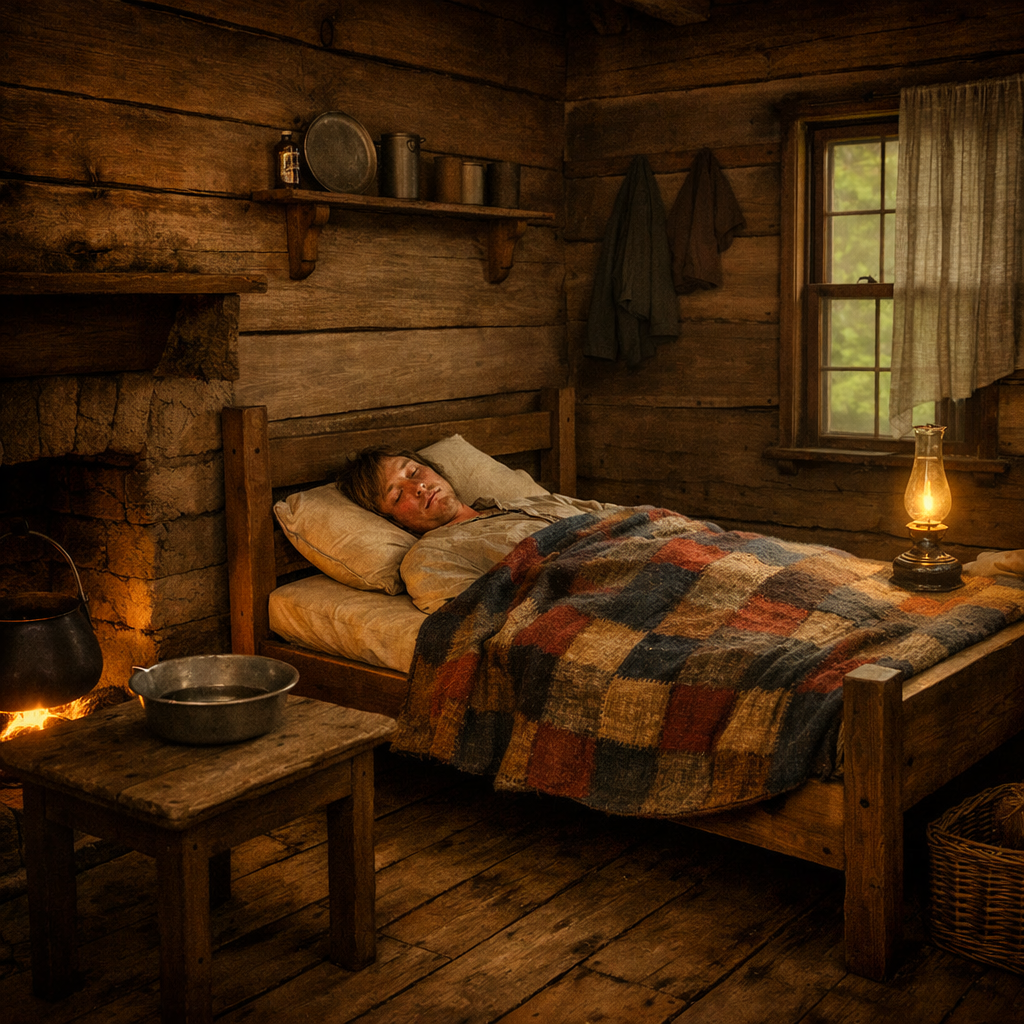
Their son, William Alexander, worked as a farm laborer and died at the age of twenty-two of the measles in 1850.
[Image: AI generated image of 1800s rural sickroom]
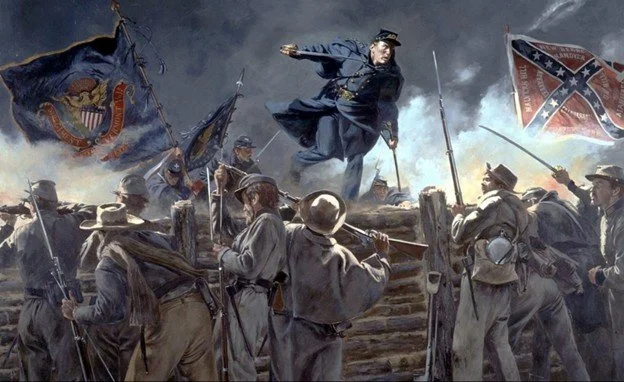
Their son, Edward Thomas moved to Dogwood Neck, Horry, South Carolina where he owned a farm of 45 acres. Dogwood Neck was known as a “remote sparsely populated area with impassable swamps and winding trails.” Very few farmers there had slaves, they relied on their own heavy toil. It wasn’t until 1888 that the town had its first post office. Edward married eighteen year old Eliza Edge and together they had nine children. After Eliza died in 1884 Edward remarried Rachel Ward and had four more children. During the civil war Edward fought in the infantry in the Battle of Petersburg and was imprisoned as a POW in 1864 at the notorious Point Lookout in Maryland until his release in 1865. Edward died in 1906 in the town where he had lived his life.
[Image: The Battle of Petersburg]
Their son, Benjamin Henry, stayed in Beaufort. In 1860, at the age of 28 he owned a farm valued at $600, had a wife named Ann Eliza Jones, and three children. Living with them was his widowed mother, Sarah. The couple had three more children the last of whom was born in 1878. When the 1870 census was recorded the family was living in Pantego. The couple had three more children the last of whom was born in 1878. Four years later in 1881 Henry passed away.
Their son, Robert Van Buren, is my ancestor and his story is told in another section.
Their son, James Churchwill, married Sarah Jane Carrow, who likely was related to his sister Jane’s husband. In 1870 the farm James owned in Pantego was valued at $900.
Three of Thomas and Sarah’s children did not live to adulthood. Samuel Elisha died at the age of eight, Margaret Loveger died at age three. Harold Francis died before his sixth birthday. By 1850 Sarah was a widow. That year five of her sons lived with her as did a young eight year old girl named Mary P Latham. Sarah owned one fifteen year old enslaved person.
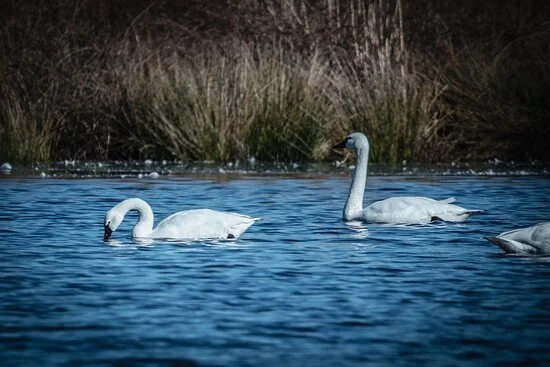
Despite the fact that all of Thomas and Sarah’s sons were farmers there is no record of any of their sons owning enslaved persons in the 1850 or 1860 census slave schedules. With the exception of Edward they all lived in Pantego. Today Pantego has a population of less than 200 residents and is still a quiet farm community. Remarkably for a town its size it has a museum which has collected artifacts of the town’s history. It is open to the public four hours a week.
[Image: A recent photo of a serene moment in the little town of Patego.]
In the 1860 and 1870 census Sarah lived with her son Benjamin and his family. In 1880 she lived with her grandson Jessie (Henry’s son) and his family. In the census that year she listed her occupation as seamstress. She died in 1882 at the age of 79.
