Stephen Cobb(1768-1853)
My Paternal 3rd Great Grandfather, married Patsy Lang
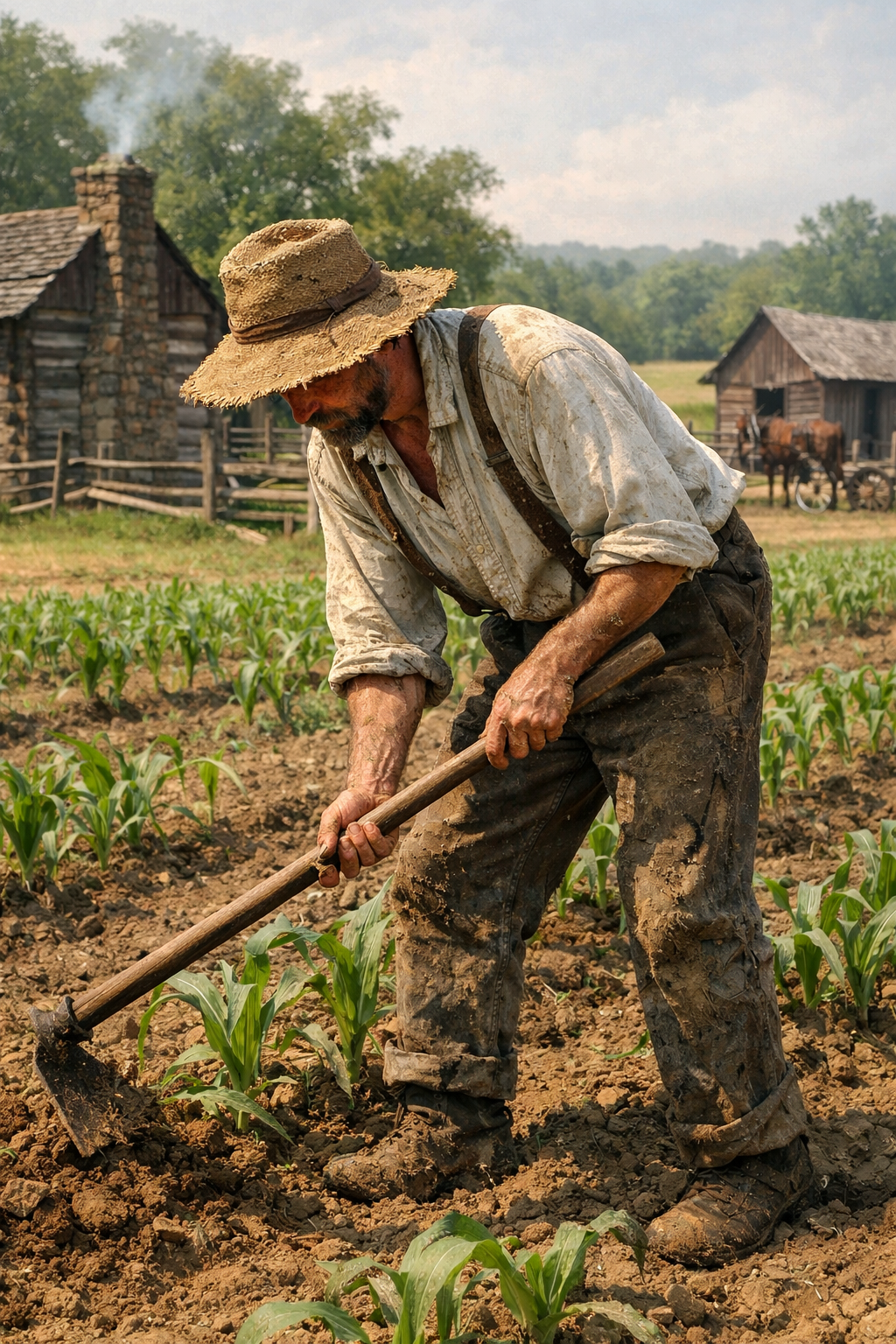
Stephen Cobb, the son of Edward Cobb, Jr and Sarah Winifred Gray, was born on November 2, 1768 in Pitt County, North Carolina. In 1794 at the age of 26 he married 22 year old Appie Mayo. Appie popped out five children one right after another: Peter Mayo (1797) who married Miss Bayless and moved to Alabama, Martha Patsy (1798) who married Easton Cherry and had six children, Elizabeth (1799) who died childless, Winnie (1801) who married Jonathan Gay and had two children, and Gray (1803) who married Winifred Wooten and moved to Yalobusha, Mississippi. In 1809, after fifteen years of marriage, Appie died. Stephen realized he needed help caring for his five children and he quickly found a new wife, Patsy Lang. Patsy was 25 years old and the year they married she gave birth to a son Edward (1811) and a year later to a second son, James Lang (1812). James Lang is my ancestor. Most North Carolinians at that time lived on small farms, over two-thirds of which were composed of a hundred acres or less. Their farming efforts produced just enough food to sustain their families. Most likely by age five, Stephen’s children would begin to play a role – sticking their tiny little hands in the chicken coop to gather eggs, foraging for berries, collecting kindling wood. All too soon, graduating to more difficult farming chores to insure the family could keep adequate food on the table.
[AI Image: Farmer in 1800s]
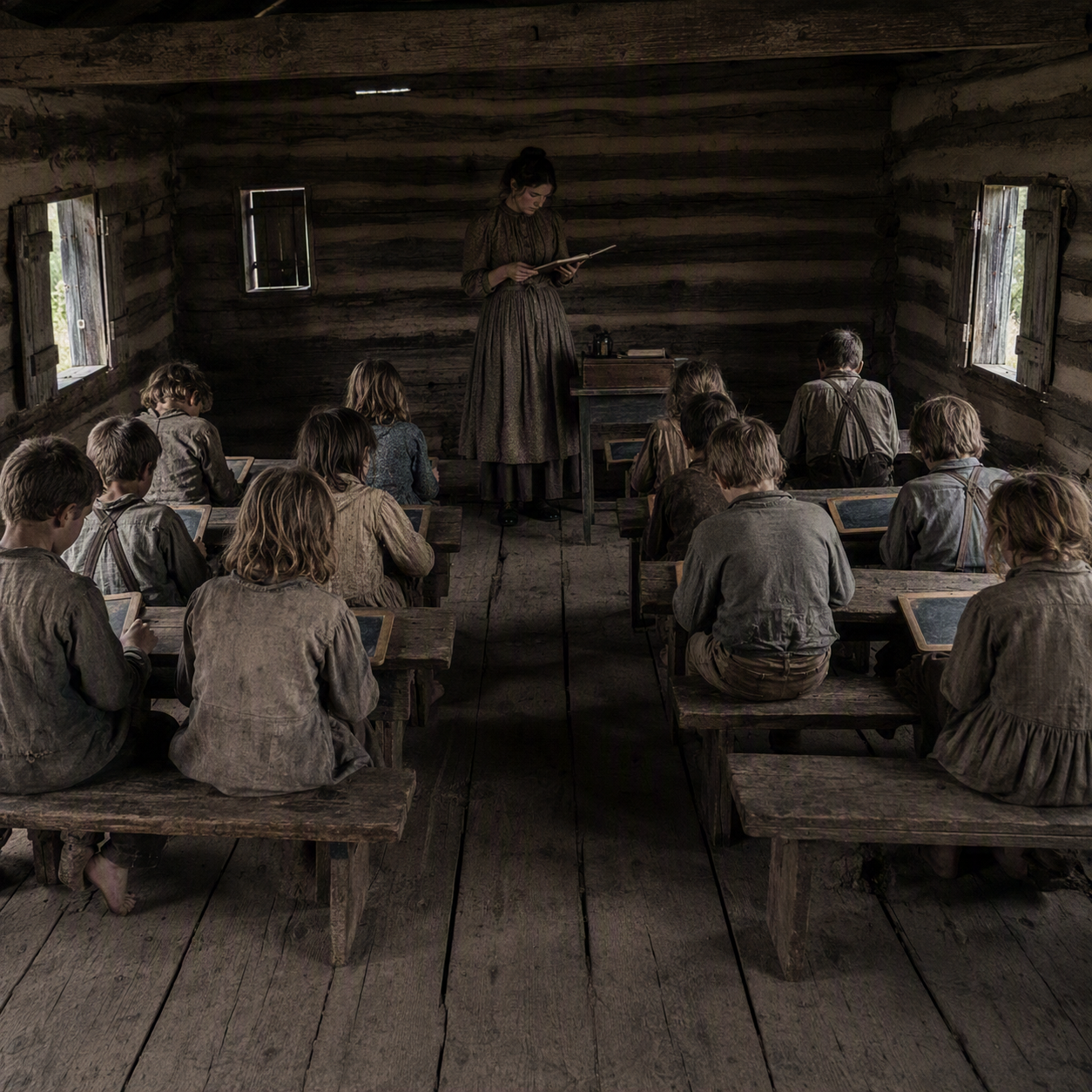
It wasn’t until 1825 that North Carolina established the first public schools in the state. They required them to be open a mere 2 ½ months a year which allowed children to continue to work on the family farms. A law was passed in 1831 forbidding the teaching of reading and writing to African Americans. Although Federal law ended the legal importation of enslaved Africans in 1807, domestic slave trade and smuggling continued.
[AI Image: Early 1800’s school house in rural North Carolina]
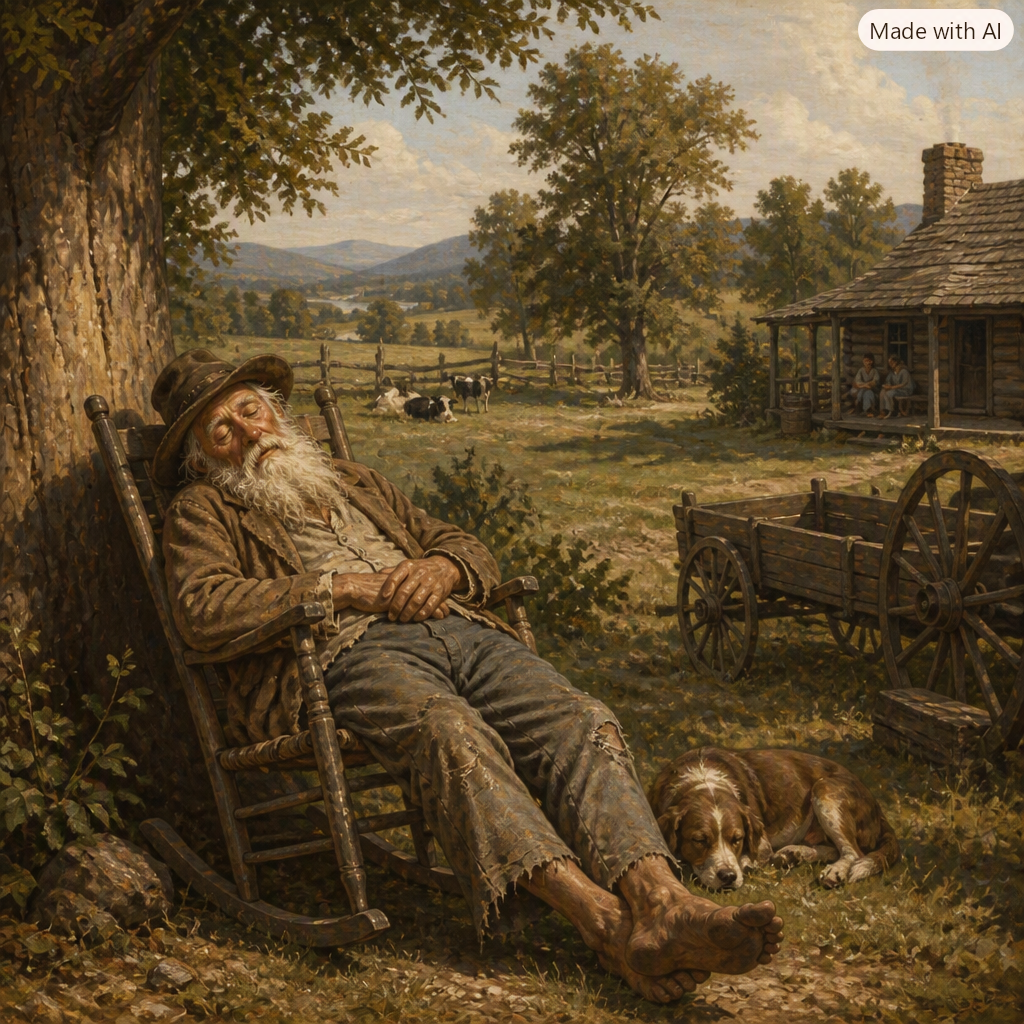
North Carolina, once the proud land of rugged frontiersmen, struggled to keep its territory populated. Offers of free land in newly opened territories in Georgia, Alabama, Florida, Mississippi and Indiana lured its residents. Between 1815 and 1850, more than one-third of the state's population packed their bags and left. The state’s economy struggled. It was indifferent to education, resistant to taxation for any reason, and opposed to progress. Many people, both inside and outside of the state, called North Carolina "The Rip Van Winkle State."
[AI Image: The sleepy state of North Carolina.]
In the August 1850 census Stephen was an 81 year old farmer living alone with real estate valued at $1,075. His wife Patsy was not listed in that census because she had died earlier. Stephen died in the same sleepy county where he was born, minding his fields like so many of his ancestors before him. The Southerner Newspaper of Tarboro reported the following on October 29th: “In Pitt County, on October 20th, 1853, at the advanced age of 84 years, 11 months and 18 days, Stephen Cobb, consistent Baptist, who lived up to what he professed, died like a man of God.”
A good man. A quiet life. And then it was gone.