James Latham (1658-1738)
My Paternal 7th Great Grandfather, married Deliverance Alger
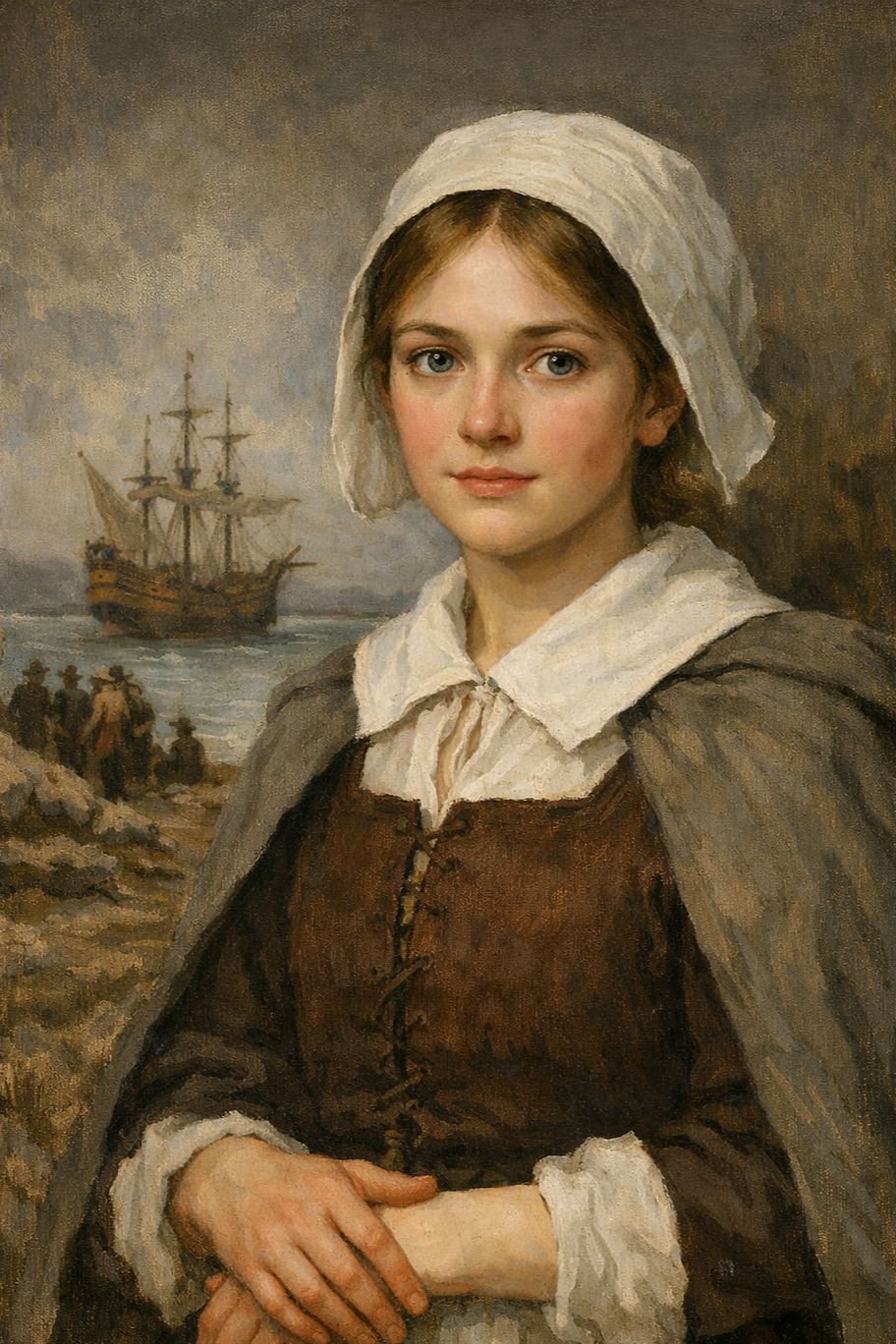
James Latham was the grandson of Mary Chilton, the first women to step foot on the shores of Massachusetts when the Mayflower dropped her anchor. Mary married into a prestigious family; her husband John Winslow became one of the wealthiest merchants in the Massachusetts Bay Colony and her brother-in- law Edward Winslow was a three term Governor of Plymouth Colony. It was an auspicious beginning. Mary gave birth to ten children one of whom Susanna married Robert Latham. Robert and Susanna’s life was tarnished by scandal.
[Image: AI generated image of Eight Year Old Mary Chilton]
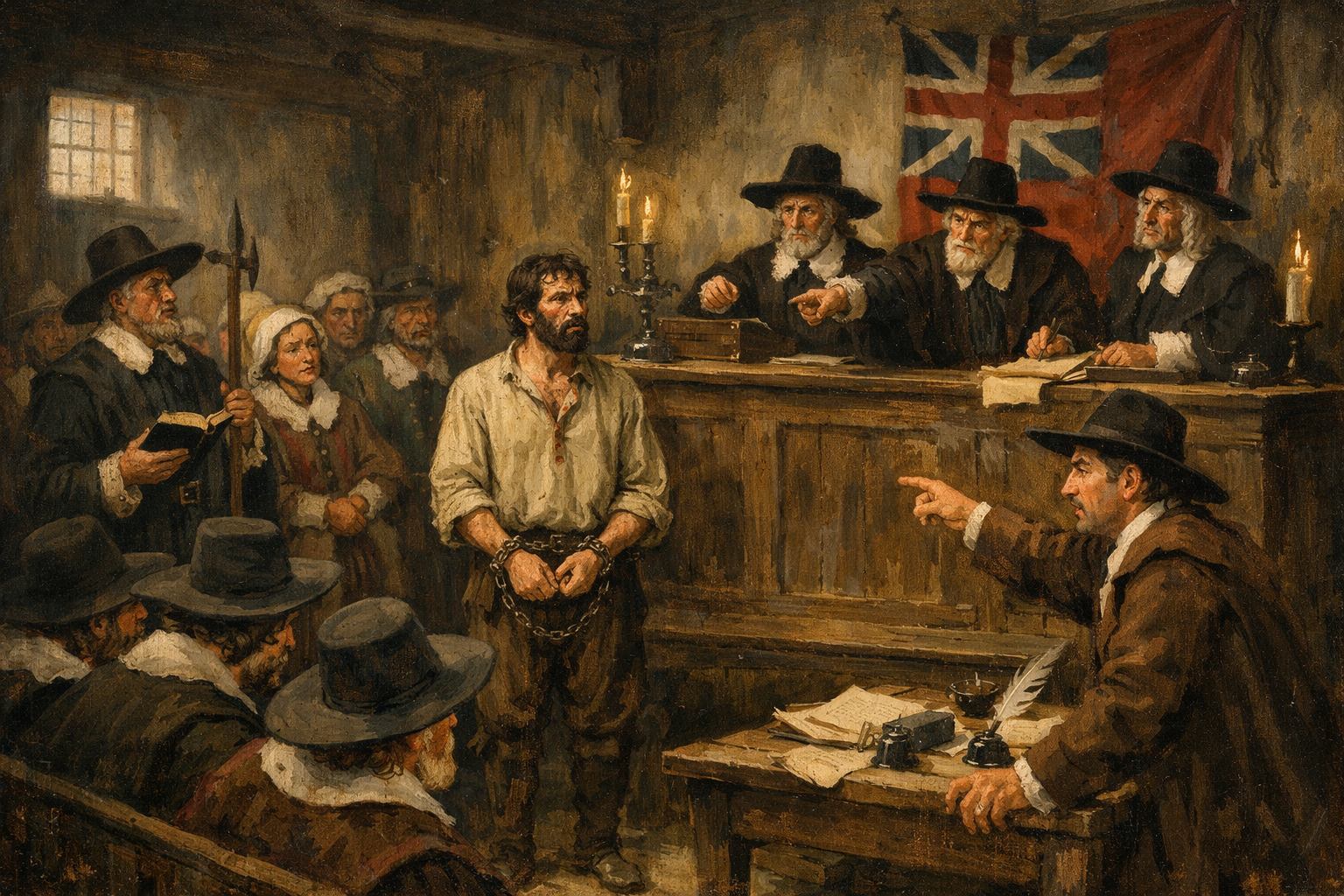
In 1654 Robert and Susanna were charged with the felonious cruel and inhumane treatment of their fourteen year old servant causing his death. The details of the case were quite gruesome. Historians note it as the most extreme case of servant abuse in the Plymouth Colony. The jury was lenient under the circumstances and charged him with manslaughter (sparing him from the hangman’s noose). As punishment Robert’s hand was branded with a hot poker and all of his personal property (he owned no land) was confiscated. Susanna was also indicted but not prosecuted. Far more common in the Colony was public whipping, which was used as punishment for fornication, adultery, theft and disorderly conduct. Branding was relatively rare. It was a permanent record of a serious offence. Later there are records of Robert’s public drunkenness and disorderly behavior in which he was fined. There you have it: Robert was a mentally unstable man with a drinking problem who killed a servant through prolonged cruelty. His family would have borne the brunt of that long after the court stopped paying attention. It was into that household that James Latham was born.
[Image: AI generate Court Scene in 1600s America.]
James was born in 1658 in Marshfield, followed by his brother Chilton. The boys were named after their great grandfather James Chilton who was a Mayflower passenger. In total James had nine siblings. In 1665 the family moved to the East Bridgewater area. Bridgewater had been purchased from Massasoit and the Wampanoag Tribe of Native Americans in 1649, by Myles Standish, representing Plymouth Colony. The remarkable agreed upon price was paltry amount: seven coats; nine hatchets; eight hoes; twenty knives; four moose skins; and twenty and a half yards of cotton.
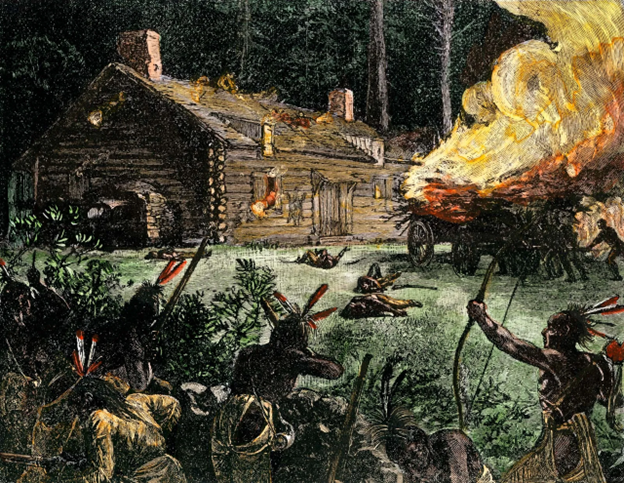
Bridgewater at that time was a rough and tumble frontier place in which to live. James would have been seventeen years old when King Philip’s War erupted in 1675. Led by Metacom (known as King Philip) raiding parties attacked English colonies, creating terror and mayhem. During the conflict 10% of military fighting age English men died. Combining the death toll of English colonist and Native people, it was the bloodiest per capita conflict in American history. Bridgewater was attacked multiple times; outlaying farms were burned but fortunately the town center was not destroyed because it had built a strong military presence to repel the attacks. Military age in those days ranged from age sixteen to sixty (and sometimes boys as young as fourteen). So it is very possible that young James may have fought in this war.
Image: [King Philips Warring Party 1675.]
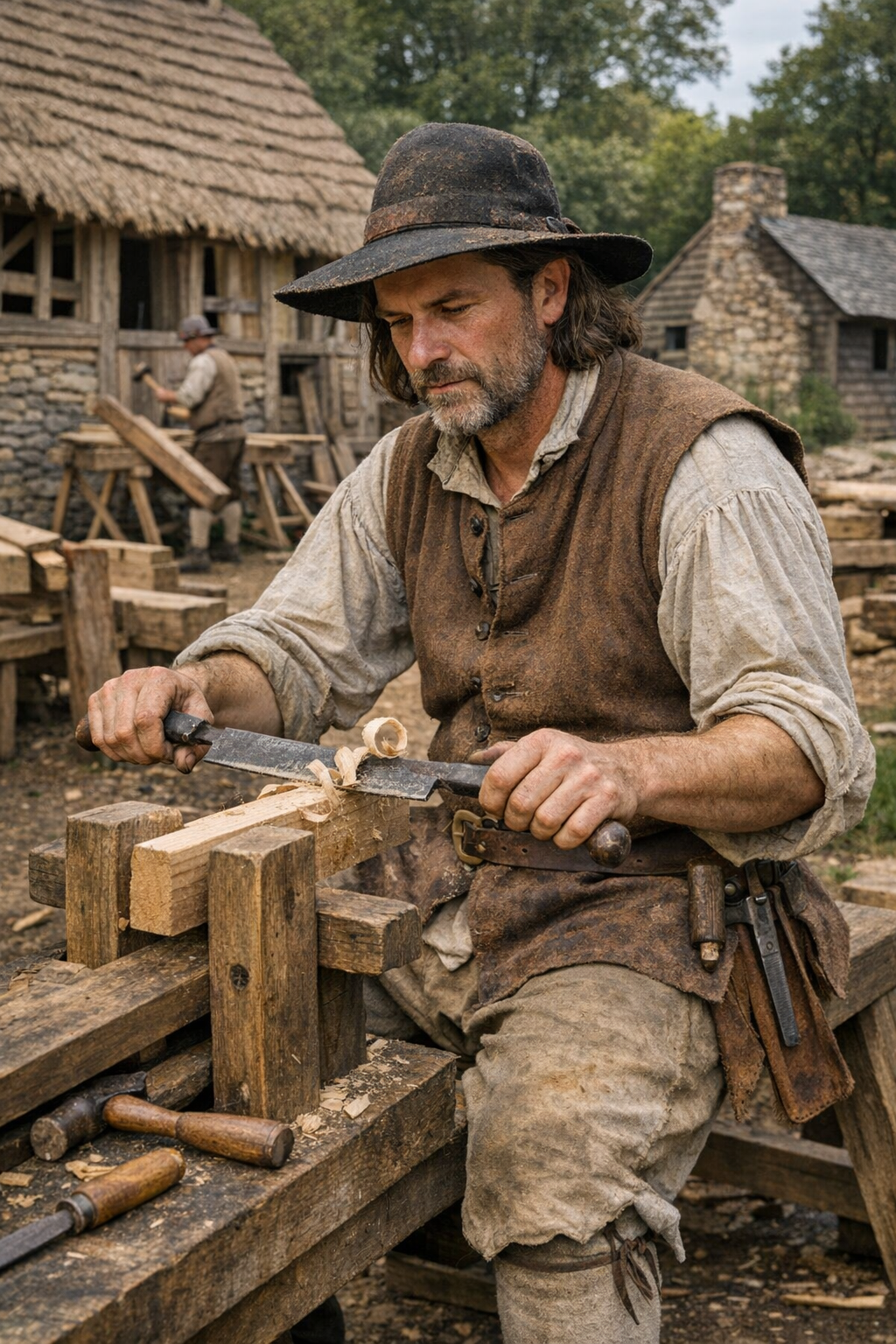
James married Deliverance Alger, the daughter of English immigrant Thomas Alger and Massachusetts born Elizabeth Packard, in 1690. James made his living as a carpenter. His profession placed him among the most socially respectable and economically secure tradesmen in Colonial New England. He was not among the elite (ministers, magistrates and wealthy landowners) but he would have been solidly middle class.
[Image: AI generated image of 1600s Carpenter at Work]
Together James and Deliverance had five children: Thomas (my 6th great grandfather), Joseph (1697-1758 who married Sarah Hayward), Anne (1693-1770 who married Nicholas Wade), Susanna (who married Nathaniel Harden) and Betty (1701-1782 who married Daniel Johnson).
The couple enjoyed a long life together. James died on February 6, 1738 at the age of 80. Deliverance succumbed ten years later at the age of 79. The inventory of her estate lists her household goods, clothing, livestock and small personal effects which were typical of a widowed woman of modest means during that era. Payments out of her estate included small sums for physicians home visits and herbal remedies, compensation to her neighbors who cared for her during her illness, and food, firewood and linens provided for her while she was bedridden. The estate also paid for a carpenter to build her a coffin, the fee for digging her grave and the cost of serving her mourners cider, wine and food.
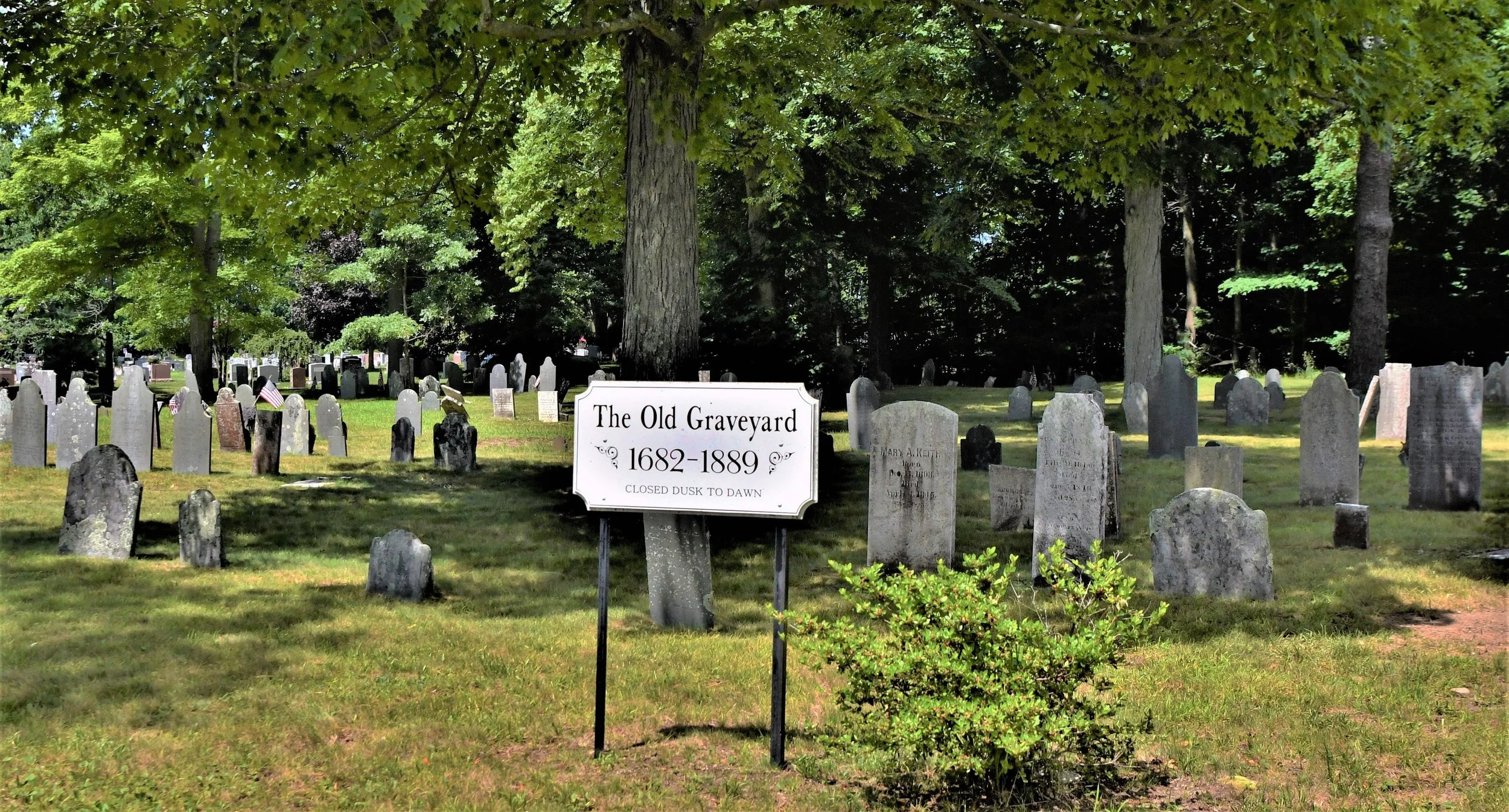
[Image: Photo of the Historical Graveyard in Bridgewater where James and Deliverance are buried]
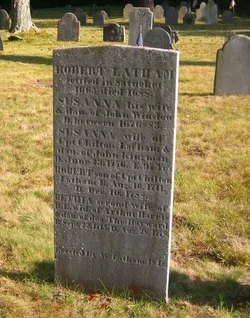
James and Deliverance are buried together in the Old Graveyard in Bridgewater Massachusetts where they spent their lives together. It is one of the oldest surviving burial grounds in Plymouth County, and for nearly two centuries it served as the resting place of the families who carved the town out of the forest. Not just one or two, but generations — the immigrant Robert Latham, his wife Susanna (Winslow) Latham, their son James, his wife Deliverance, and the children and grandchildren who carried the family name into the 18th century. Their presence is so strong that in 1848, a descendant named William Latham erected a memorial stone listing the early family, ensuring that even if individual markers faded, the family’s memory would not.
[Photo: Latham Family Headstone]
