The Tillitt Family
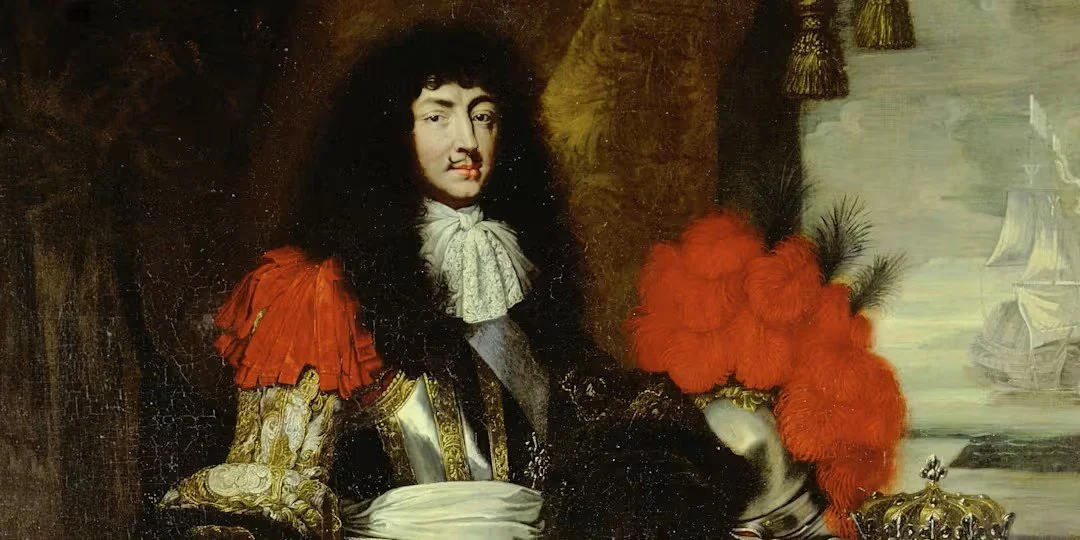
[Image: King Louis IV of France]
In 1592 King Charles IX of France ordered the assassination of Huguenot Protestant leaders in Paris setting off an orgy of killing that resulted in the bloody massacre of hundreds of thousands of Huguenots all across France. When King Louis XIV ascended the throne in 1643, persecution of the Huguenots escalated to the point that he directed violent dragonnades (armed soldiers) to seize Huguenot homes and force them at sword point to convert to Catholicism. In 1685 all rights of Protestants in the kingdom were abolished and they were forced to practice their religion in secrecy. The penalties for preaching or attending a Protestant assembly were severe: life terms manning the oars of war ships for men, imprisonment for women, torture and the confiscation of property.
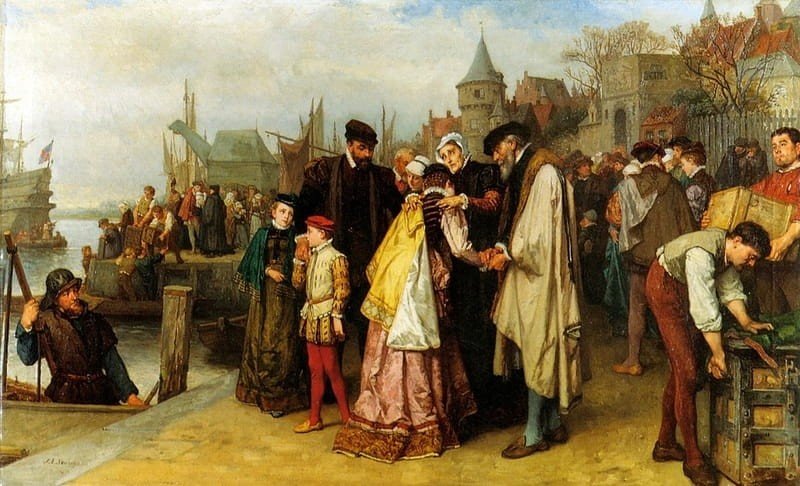
{Painting: French Huguenot Protestants in Paris Boarding Ships to Escape Religious Persecution]
Such a flood of these new immigrants was washed onto British shores in the 1680s that a new word came into the English language at the time to describe them: refugees. Most individuals at that time were employed in agriculture. Yet few among the Huguenots knew how to work the land. The great majority lived in towns, an educated group with the ability to read and write, artisans, weavers, silversmiths, watchmakers, and professional people – clergy, doctors, merchant soldiers, and teachers. They were largely welcomed when they arrived because they offered valuable skills.
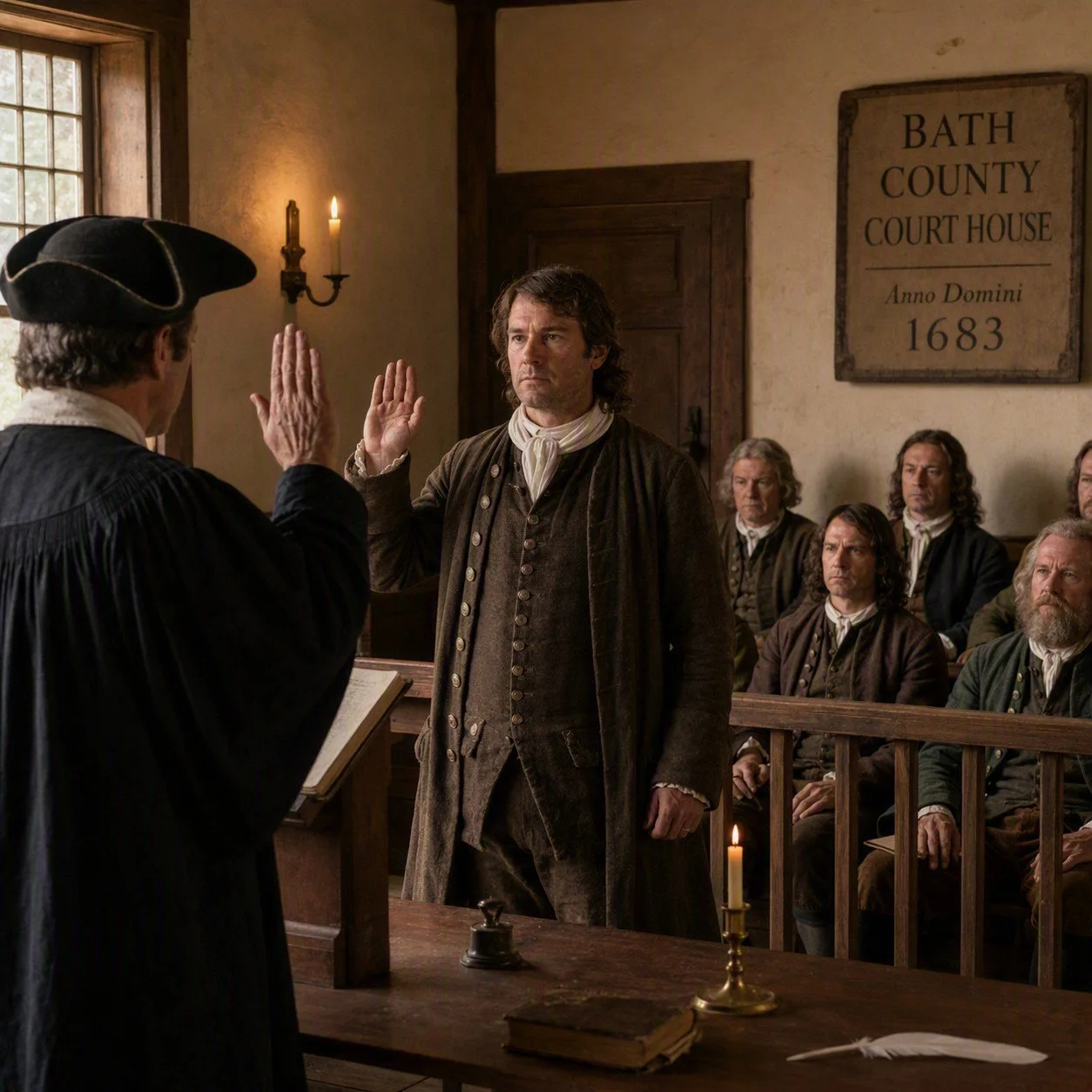
The first record of a Tillitt in North Carolina in British Colonial America was in the year 1706 when a man named William Tillitt was sworn in as a juror in Bath County. William participated and was later pardoned for his involvement in the Cary Rebellion of 1711. A man of means, in 1730 he received a patent of land on the Outer Banks of North Carolina for 300 acres as compensation for bringing six people to America at fifty acres per person. He married a woman named Sarah and died in 1732. It is likely that this William Tillitt is our ancestor and either Thomas Tillitt’s father or perhaps his grandfather, but this link has not been proven.
[AI Image: William Tillitt being Sworn in as a Juror in British Colonial America in 1706]
The name “Tillitt” is believed to have derived from the old English word “til” which meant to “labor” or to “cultivate” and the suffix “itt” which meant small. Hence the name’s origin means “small farmer.” According to the 2020 Census the name is quite rare, representing one on about 2,052,421 of people in the US.