Francis L. Ricks (1904-1982)
My Paternal Grandmother, married John Edward Cobb, Sr
Francis L. Ricks, known to those of us that loved her as “Fannie”, was born along with a twin sister, Sophie Louise, on August 4, 1904 in Washington, North Carolina. In 1910 she lived with her 39 year old father, Thomas Blount Ricks Sr, a lumber inspector in a mill owned by the Camp Manufacturing Company, her 33 year old mother, Margaret Little Langley and five siblings ranging in age from six months to thirteen years. Tragically, her mother died in 1916 when Fannie was only twelve years old. A year later in 1917 her father married a second time to Mattie Murray, a woman 21 years younger than he was. That year her oldest brother and sister left home.
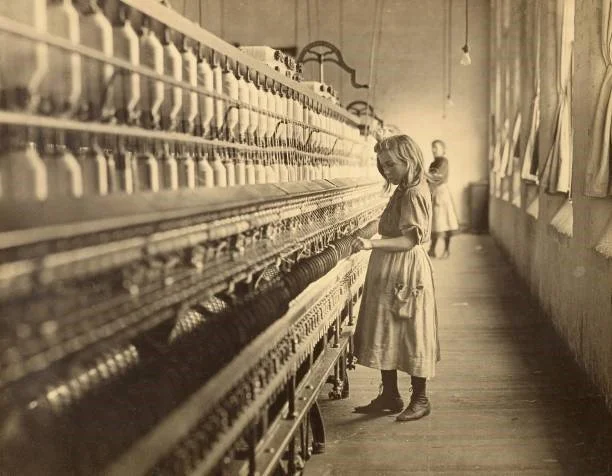
In the 1920 census, I was surprised to learn that at the tender age of 16, Fannie and her twin sister were living together in a boarding house in Roanoke Rapids, North Carolina 140 miles from home. Fannie’s occupation was reported as “cotton mill operator.” Louise was not working, so possibly Fannie supported them both. Mill towns like Roanoke Rapids had sprung up all over North Carolina to meet the growing demand for cotton textiles. The mill workers were nicknamed “lint heads” because they had to dust themselves off before heading home. Life could not have been easy for the twins. It is not known when they left home to work in a factory or why. But it is telling that she never spoke about her childhood except to say she was a twin and had a younger brother named Tom.
[Photo: Cotton Mill Operators in the 1920s]
Twelve days after her eighteenth birthday on August 16, 1922, Fannie married John Edward Cobb (“Ed”), a man nineteen years older than she was. Family legend has it that Fannie was a big flirt and that she captured Ed’s attention by throwing popcorn at him in a movie theatre. Ed, a long-time family friend, worked with her father at Camp Manufacturing Company. In the fall of 1922 her twin sister Louise also married an older man and sawmill employee, Luther Carl Williams, who was ten years older than she was. I hope both marriages were entered into for love and not for convenience. It’s hard to know.
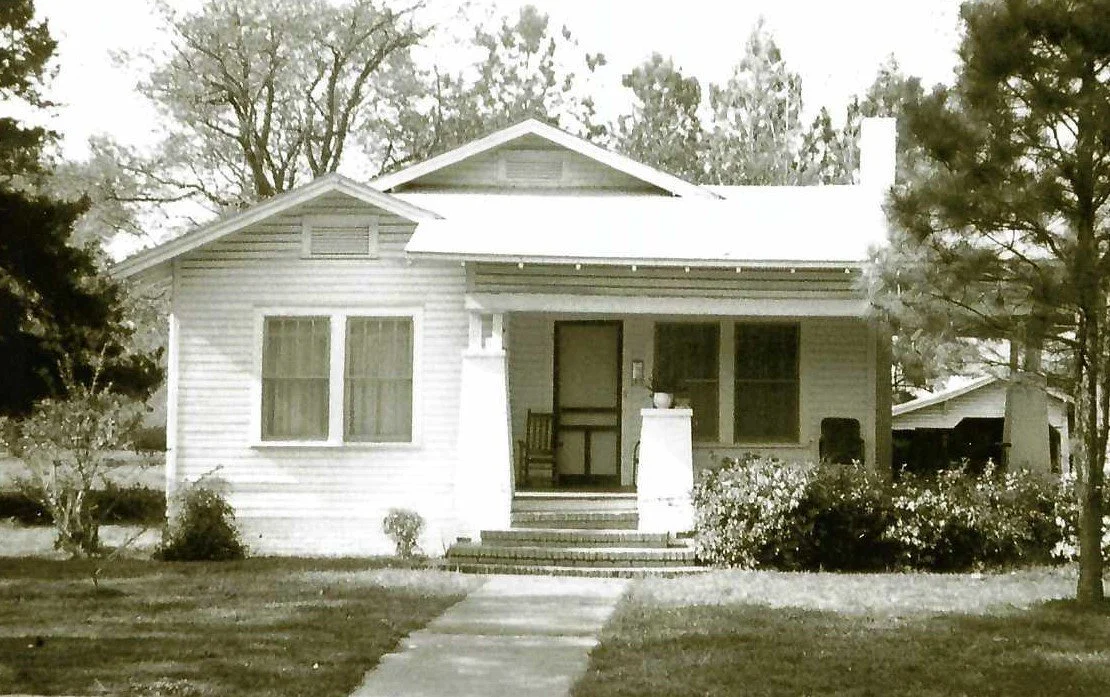
After they married, Fannie and Ed lived in a pleasant home in Wallace, North Carolina (population 650). This sleepy town is allegedly “home to the world’s largest strawberry exchange” and its annual strawberry festival was once honored with the presence of Eleanor Roosevelt. Today the town is still sleepy – boasting less than 4,000 residents. In this town, in the mid-1920s, Fannie gave birth to three children, John “Jack” Edward Jr (born 1924), Martha Langley (1926) and Mary Ann (1928). Jack was my father.
[Photo: The Cobb Family Home in Wallace, North Carolina]
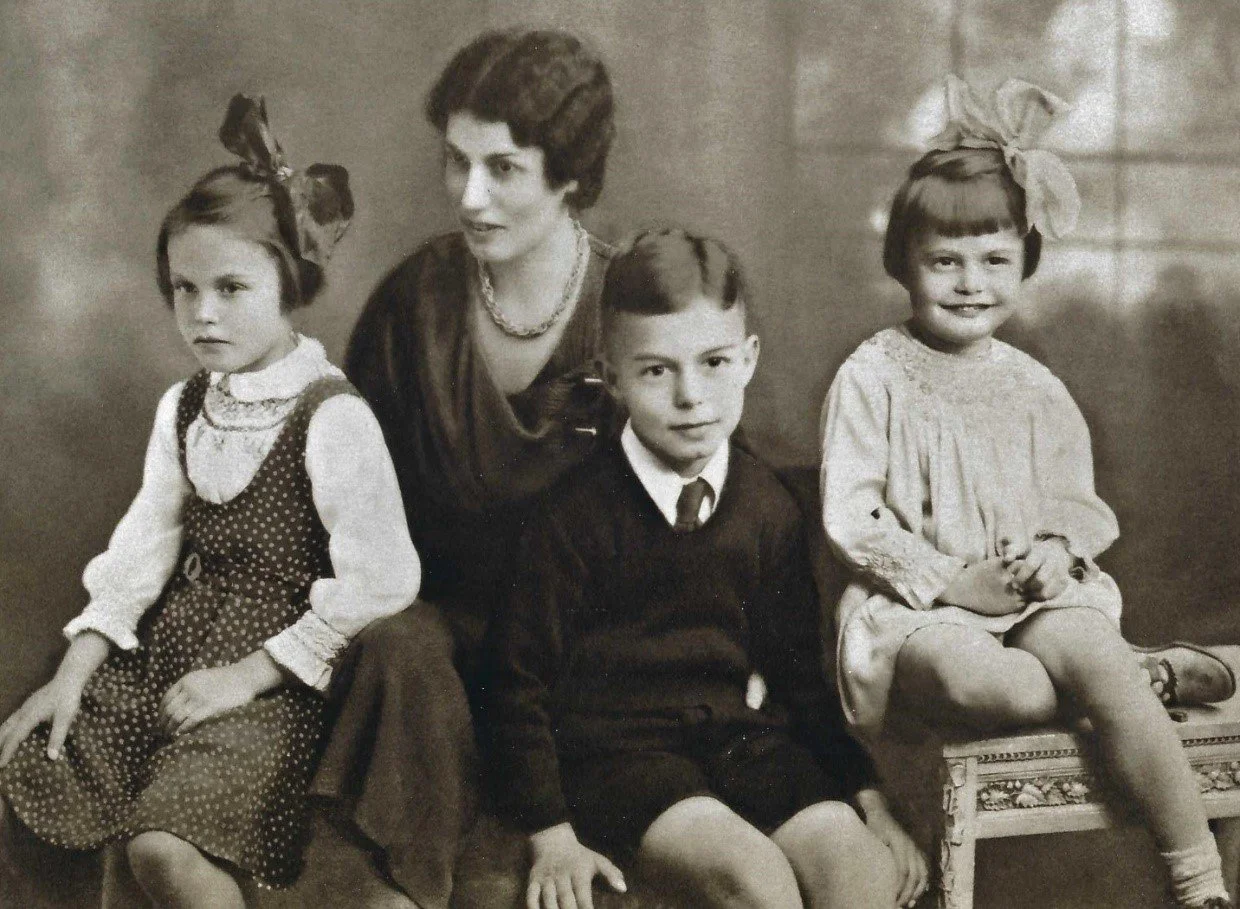
The photo is such a jewel and foretells much about the family. Mary Ann’s face is lit up with an endearing smile. Her whole life she was a bright and cheerful person. Jack’s eyes are appear innocent but those eyebrows reveal his underlying mischievous nature. A cowlick just might pop up any out of his hair any second and he looks like he is ready to spring out of the chair. He became a man of action. Martha’s lips are turned down and her body language says she’s annoyed about something. As an adult she had strong opinions and never minced her words. At times it could be off-putting but on the whole I found her quite amusing.
[Photo: Fannie and her three children, left to right Martha, Fannie, Jack and Mary Ann.]
The Camp company mill store that Ed worked for was closed in 1929, and he was transferred on a temporary assignment to manage the company store in Franklin, Virginia, where the company had its headquarters. In the 1930 census Ed was living in a boarding house in Franklin, but his family was not living with him. Oddly, I was not able to find Fannie and their children in any of the 1930 census records.
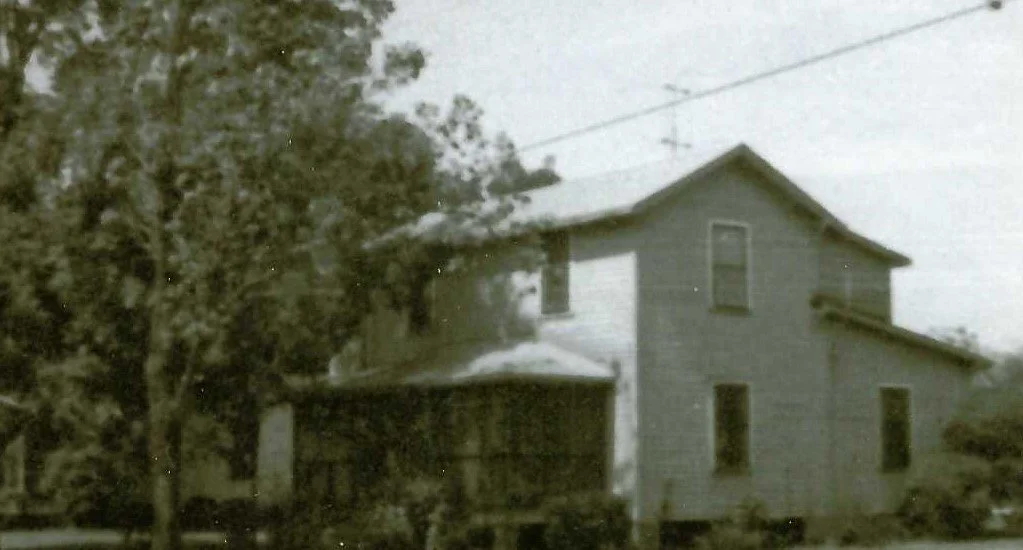
A year later the family moved to an obscure little town called Russellville when Fannie’s husband was re-assigned by the Camp family to manage their South Carolina based company store. The Company provided a house to the family as part of Ed’s compensation package. Their children attended grammar school just down the street from where they lived and were bussed four miles away for high school in St. Stephen. Today the town has less than 500 residents.
[Photo: The Cobb Family Home in Russellville, South Carolina]
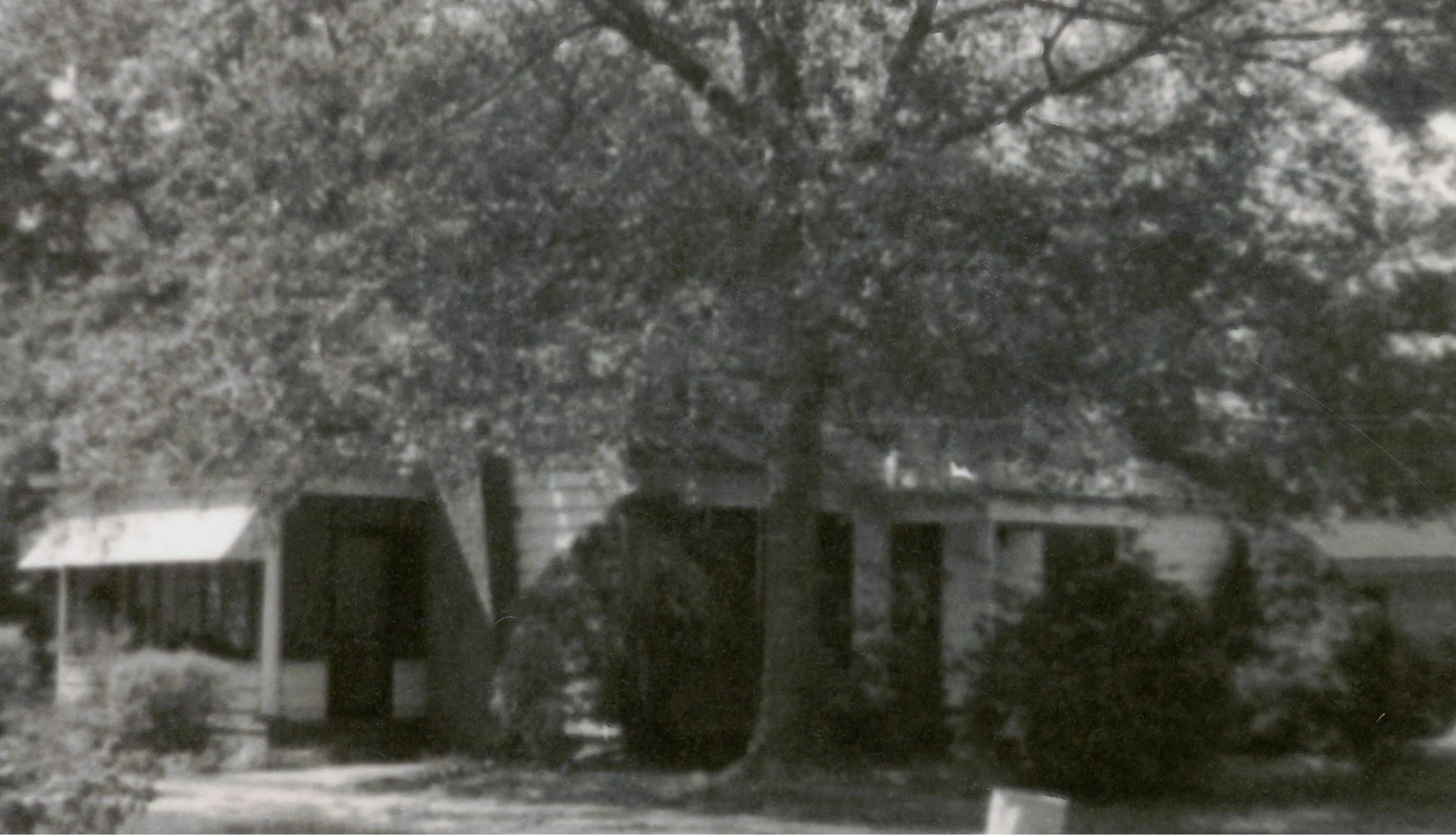
In 1938, Ed retired from the Camp Company and the family moved to St. Stephen where he got a job as the Postmaster and Fannie worked as a grocery store clerk. In May of 1940, Ed was diagnosed with terminal colon cancer. Four months later in August, when his son Jack was about to start his first week of college at the Citadel, his father died. Fannie, widowed at the age of 33, was all alone with limited resources to support herself and her three teenaged children.
After my father died, my mother told me that during that sad time Fannie had taken solace in the arms of a married man. Small towns cannot hold secrets, and societal pressure ended the relationship. Her children felt betrayed and humiliated by her behavior and it took years for them to forgive her. When I heard the story I was astonished because it seemed so out of character for this shy woman to step outside of norms. I was glad that Fannie had found refuge from the storm, however brief, and it added a new piece to the puzzle of her life.
{Photo: The Cobb Family Home moved to this home in 1938 in St Stephen, South Carolina ]
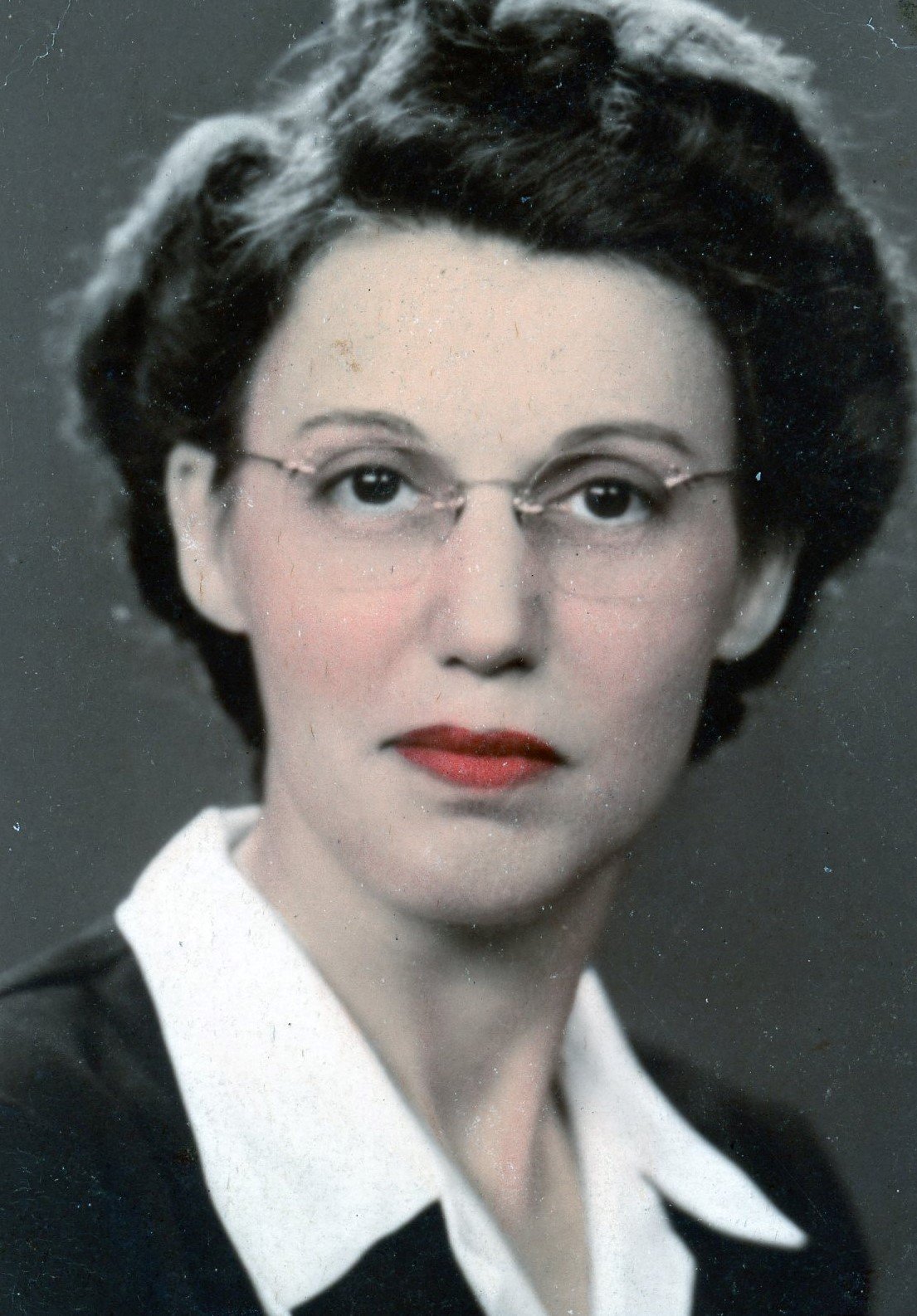
Always the determined diligent worker, with the help of Ed’s former employer, Camp’s Manufacturing Company, Fannie managed to start her own small general store business. Despite the fact that she never attended college, or perhaps because she hadn’t gone, she insisted all three of her children attend. Against her wishes, her daughter Mary Ann dropped out her freshman year to get married. Fannie forgave her and helped them make ends meet by providing them with groceries from her store. Her other two children went on to college and later got master’s degrees.
[Photo: Fannie in the 1940s]
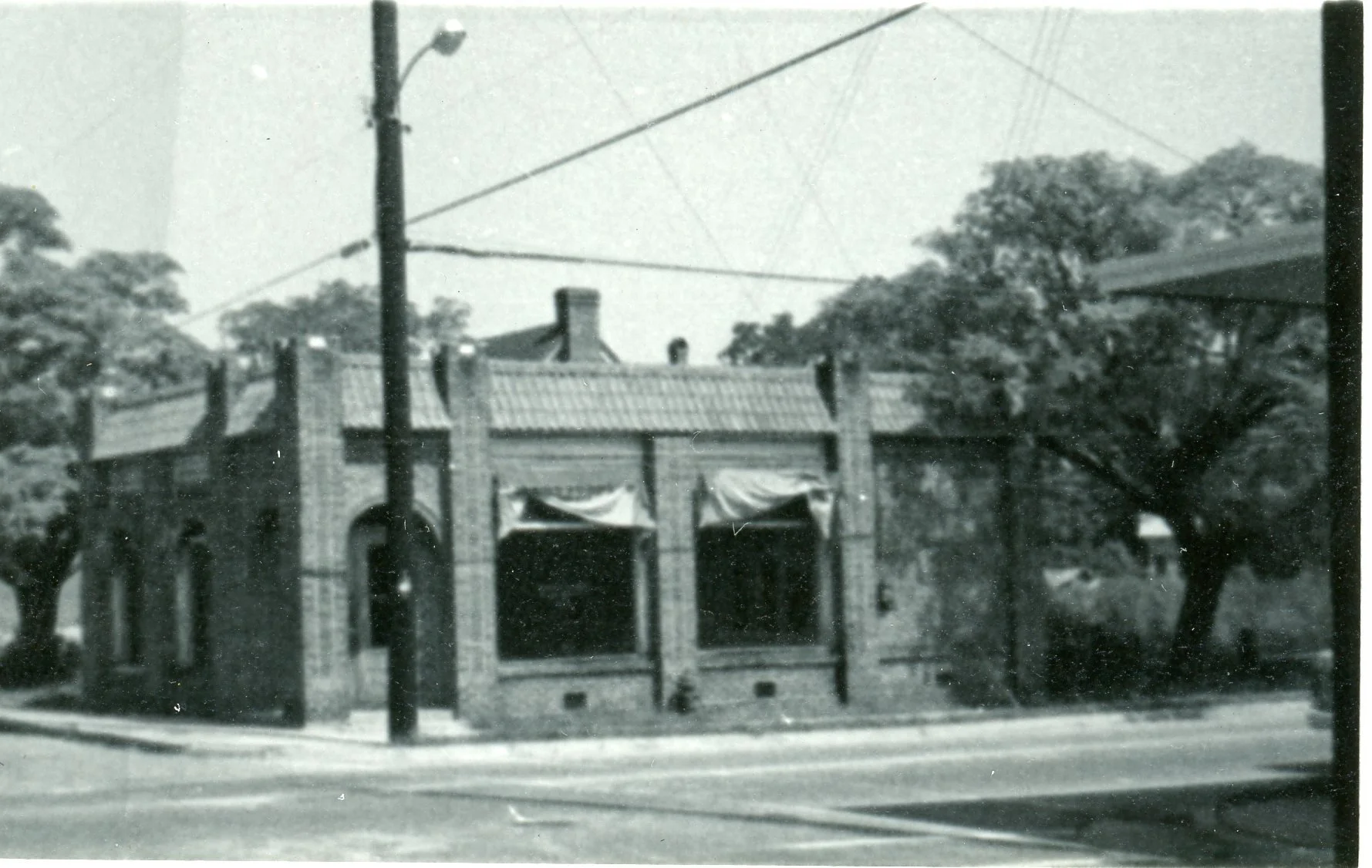
[Photo : Fannie’s Store,
date unknown]
Fannie’s first born child and only son, John Edward “Jack” Cobb, Jr was my father. His story is can be found be clicking the following link:
Fannie’s second child, Martha Langley, married her brother’s best friend, Everett “Lash” Lashley. Jack and Lash were roommates at the Citadel, and after they served in World War II, attended graduate school together where they both majored in chemistry. Lash, the son of a postal worker, was raised in Louisville, Kentucky. Martha and Lash settled in Charleston West Virginia where Lash made his living as a chemist For DuPont. Martha obtained a master’s degree in sociology and was a social worker and truant officer for the public school system. Despite her humble beginnings Martha was a bit of a snob who never pulled punches with her opinions, but I found her frankness amusing. Lash was more laid back and had a jovial contagious laugh. They had three children, Elizabeth Ann, Lillian Louise and Thomas “Tommie” Marion and we would often get together with them for family beach vacations at Pawley’s Island in South Carolina when we were little. Martha and Lash bought a home in Beaufort, South Carolina with the intent of retiring there. Their West Virginia home was up for sale and a potential buyer was due the next day to take a second look at the house. That afternoon Lash went up a ladder and did some last minute painting on the house. That night, the day before his retirement was to begin, he had a heart attack in his sleep. Despite all those years of trudging up and down those West Virginia hills to work every day to stay fit, at the age of 58 he was gone, taking their retirement dreams with him. Martha moved to the house they bought together in Beaufort, got her real estate license and started a second career. Her home was a charming antique house that had been commandeered by Yankee officers during the civil war. She had a green thumb like her mother and surrounded her home with lovely gardens. Her daughter Lill contracted throat cancer and died in 2009. Martha died a year later at the age of 84.
[Photo: Martha Langley Cobb (1826-2010), Fannie’s second child]
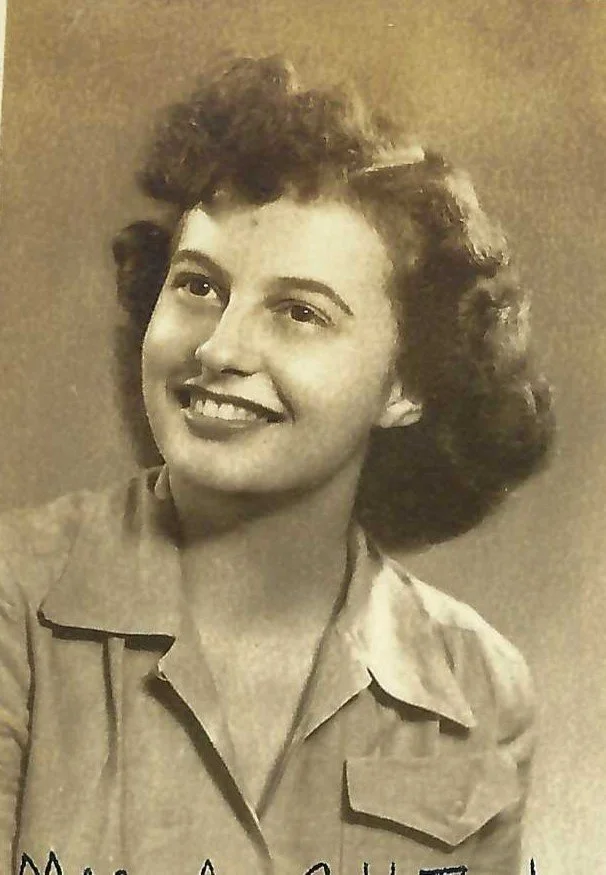
Fannie’s third and last child, Mary Ann, created a big controversy when she dropped out of college and married John Salters Tuttle in 1947 and an even bigger hub bub when she got pregnant against the advice of her doctor who said her heart might not be able to take the strain. It could and she did. The resulting baby girl was named Frances “Frankie” Cecelia. Mary Ann went on to tempt fate again by getting pregnant a second time and gave birth to a baby boy named Edward “Eddie” William. Jack and Martha were terribly upset that Maryann risked her life to have children and blamed Salters. When Salters developed a drinking problem it further alienated him from his brother and sister in law, but Mary Ann clearly loved him and stuck by him. Frankie was the oldest of the Cobb family cousins and I was in awe of her because she was very pretty and talked about boyfriends when we went to our Pawley’s Island childhood family reunions. Salters worked for 34 years for the International Paper Company. Mary Ann was the department head of the Georgetown County Delinquent Tax Collectors Office and was a volunteer with Tidelands Community Hospice. She had the same sweet disposition all her life and was rarely without her trademark smile. She died of lung cancer in 2005 four months after her husband’s death.
[Photo: Mary Ann Cobb (1928-2005, Fannie’s second daughter]
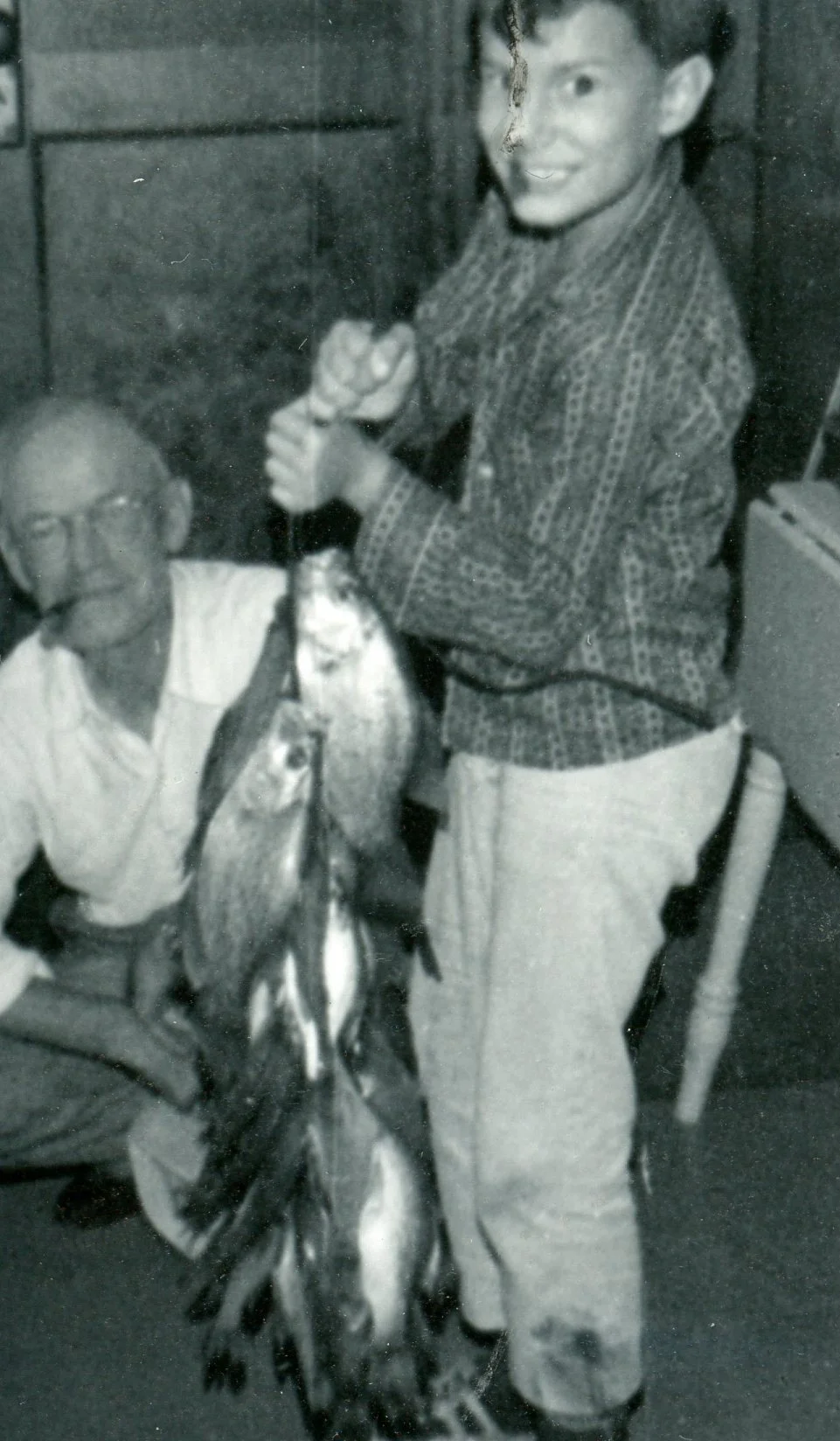
Fannie sold her business in 1948 and retired. In 1949 she married a second time to Lloyd N. “LN” Cooper whom I remember as a cranky man who didn’t care much for children and would disappear whenever we visited. He owned an equally cranky, diabetic Mexican Chihuahua who liked to drink coffee with milk and sugar for breakfast. I always wished Fannie had been able to find someone who was better company.
[Photo: A rare smile from LN Cooper when he took my brother, Ed out fishing.]
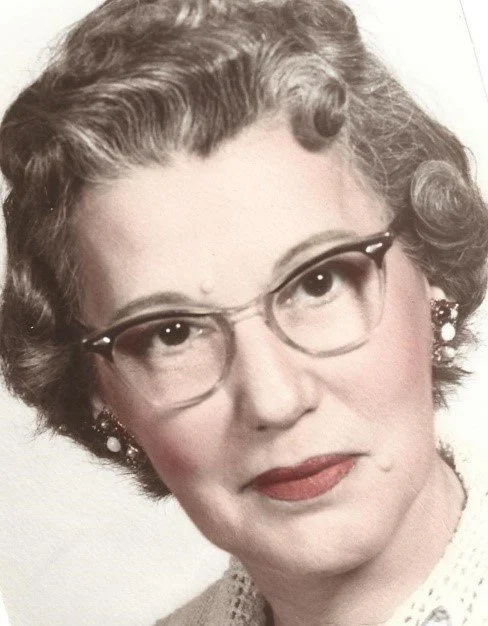
When we would arrive at her house to visit, Grandma Fannie would always have a pot of boiled peanuts on the stove and a homemade German chocolate pound cake ready to be sliced. We liked to go out to eat fried catfish and hush puppies at the local restaurant. At night we’d listen to the sound of the crickets and the trains clanking down the tracks. Her well-tended garden boasted tall, elegant gladiolas. She had a little fishpond, and it became an inspiration for not only my father but also my brother and me. All three of us built a pond at our house later in life. Her sunporch was stacked high with dog eared home and garden magazines that smelled faintly of mildew. I poured over the magazines. It was the origin of my love for gardening.
[Photo: Grandma Fannie 1957]
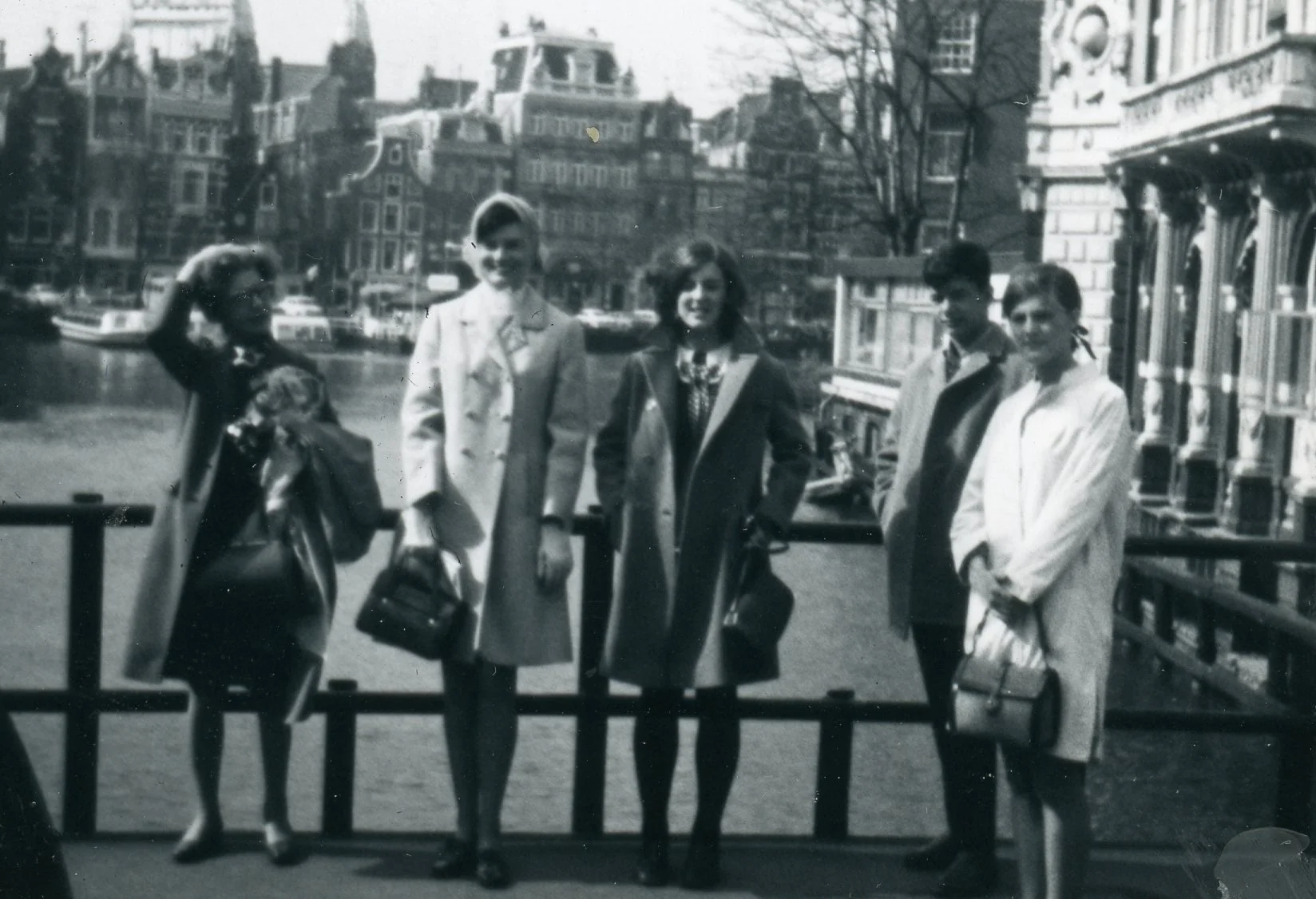
When she would visit us at Christmas she loved to putter around the kitchen preparing delicious meals. She’d pull out a sewing kit and mend my father’s clothes. She liked to stay busy. She wasn’t much of a traveler but in 1969 she enthusiastically flew to Germany to spend six weeks touring Europe when my father was stationed there. When she was younger she had broken a leg, and it hadn’t healed quite right. She limped because one of her legs was shorter than the other, but she was determined to keep the pace with the rest of the family.
[Photo: Grandma Fannie traveling in Europe with her family in 1969]
Fannie had such a sweet disposition. I don’t recall her ever speaking negatively about anyone. She was always smartly dressed. She was active in her community, an accomplished gardener who served on the local garden club. She loved flower arranging and her afternoon soap operas. Such a quiet gentle spirit. I wish I had asked more questions about her life. There is so much we do not know.
I
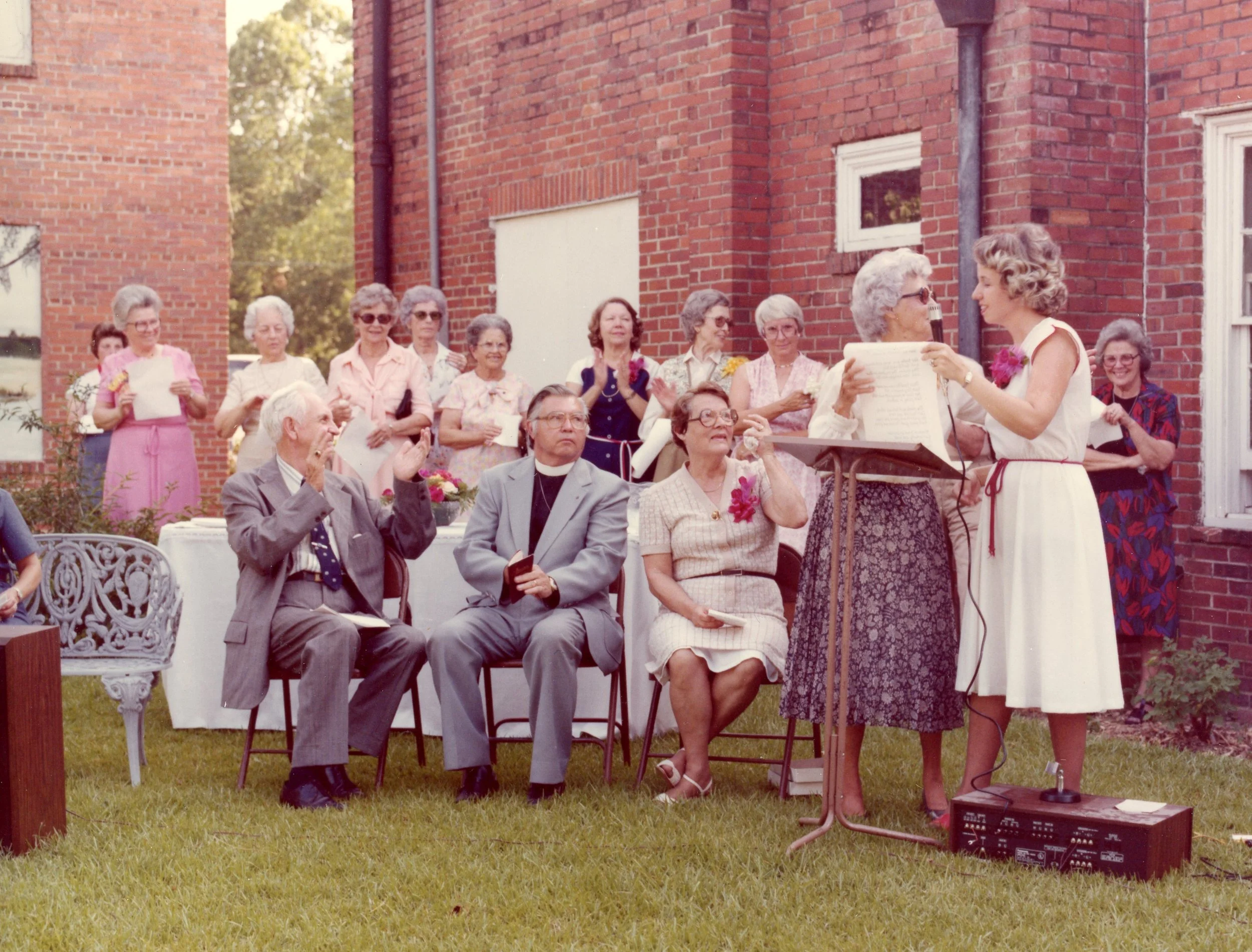
n 1979 a rose garden in St Stephen located next to Dolly’s Barber Shop was dedicated to her for all the projects she had undertaken to beautify the town over a 30 year period. One hundred and twenty five people turned out to attend the dedication. The newspaper article reported: “She’s been known to perform surprise inspections of local business. You can see her picking up trash along the sidewalks and working on one of the club’s project sites. if you have trouble sleeping and would like a good night’s sleep, volunteer to help her one day. You will be so tired from trying to keep up with her you’ll sleep like a baby.”
[Photo: Fannie at the Rose Garden Dedication in 1979]
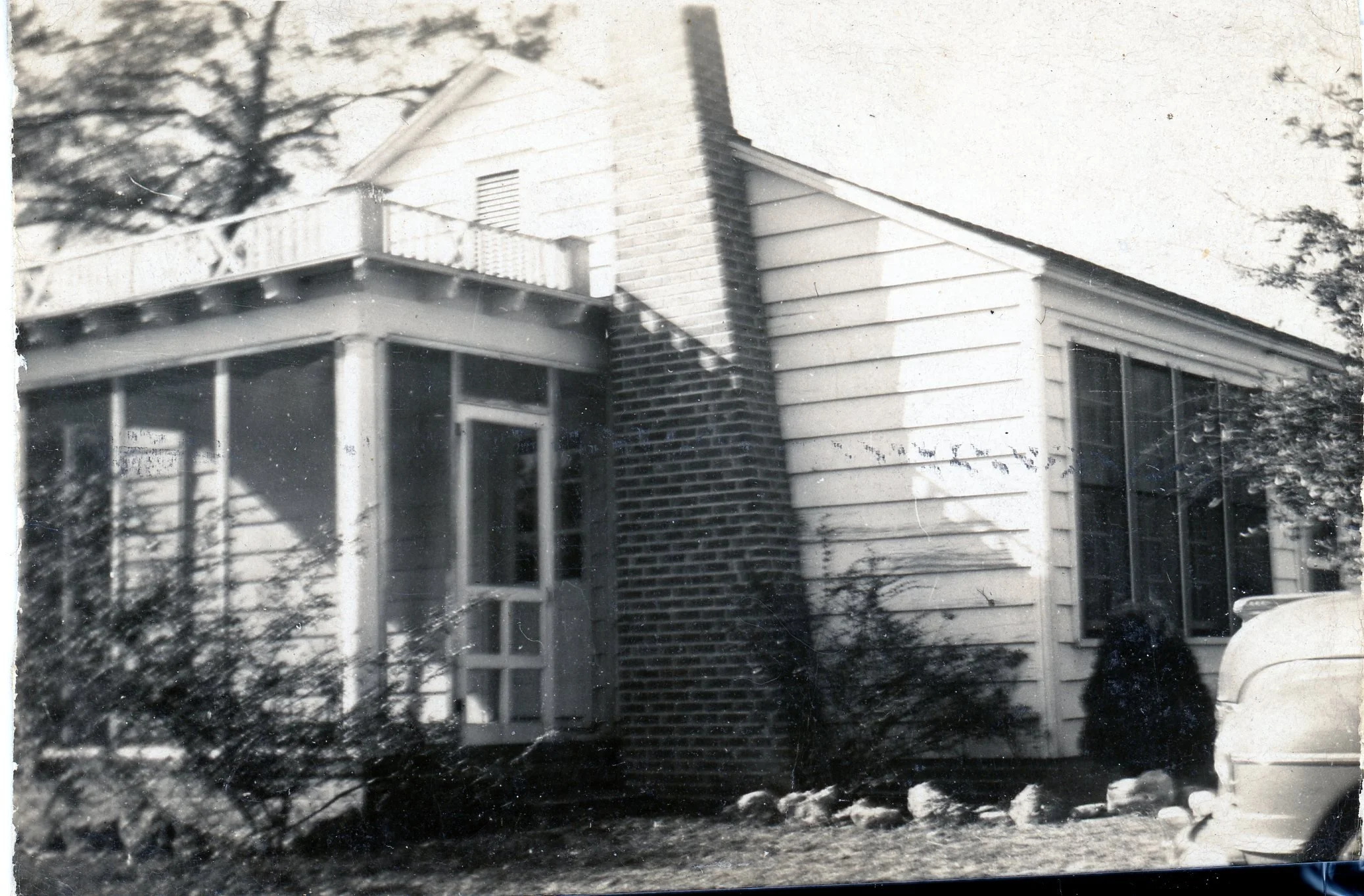
Fannie died at the age of 77 very unexpectedly of stomach cancer. I went to visit with her in the spring of 1982. On the day I was scheduled to leave she said she wasn’t feeling very well and asked her friend to drive me back to the airport. She was hospitalized that day. I recall calling her and in her polite stoic fashion she said, “ I am feeling better today.” I sent her flowers and a get well card but when they arrived she had already passed away. I was stunned.
The home Fannie lived in was part of the life estate belonging to her 2nd husband. My Aunt Martha swept in and hauled away all of Fannie’s beautiful azalea plants before the Cooper family could take back control of the property.
[Photo: Fannie’s home in St Stephens, South Carolina that reverted back to her 2nd husband’s family.]
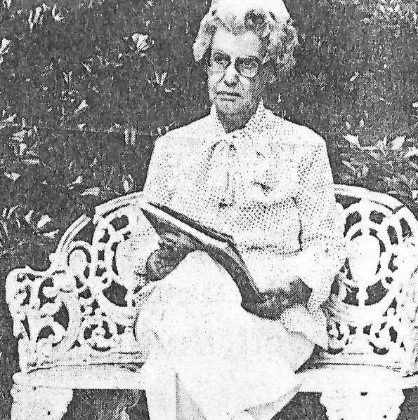
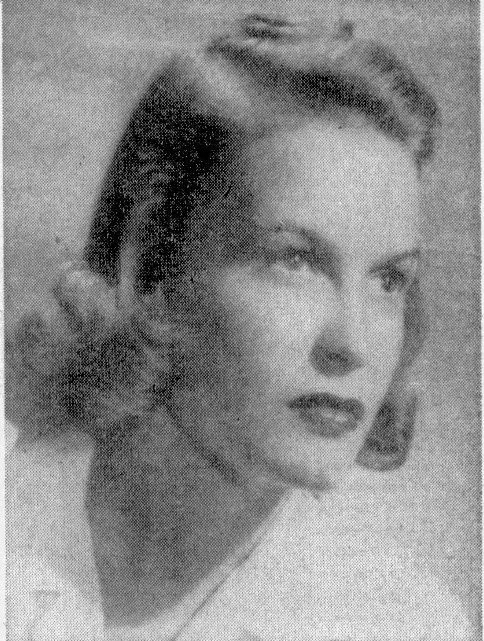
This is the last known picture of our beloved grandma Fannie which appeared in her obituary in the local newspaper.
My father said this about her in his eulogy at her funeral: “My mother had ears that could really hear and eyes that could really see all the beauty that God provides. She had an imagination that could construct the perfect from a fragment. She was nearer to God’s heart in her garden than any other place on earth. She was a gifted person, unafraid of hard work. She worked most of her life. She was self educated. She taught herself to be a good clerk, a bookkeeper and store owner. From these labors she educated three children. She gave more than she received in return….”
[Photo: Our beloved Grandma Fannie in her garden.]
