The Stafford Family
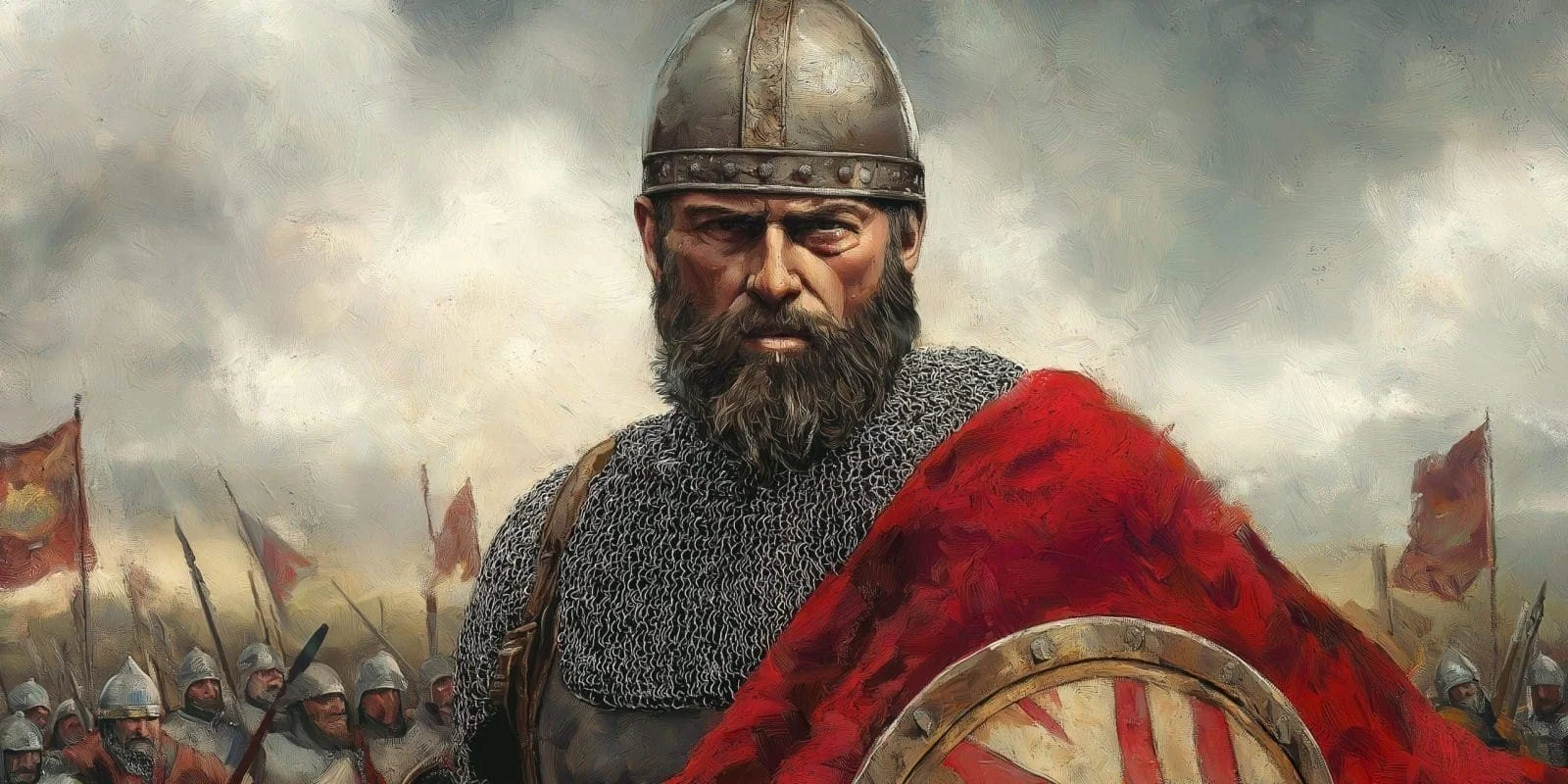
The name Stafford has been identified with the English since before the Norman Conquest. The Castle of Stafford was so named because there was a shallow place in the river there that could be crossed with the aid of a staff. The Lord of Stafford and the founder of that family name was Robert de Toeni (1039 -1088). William the Conqueror made Robert governor of this castle and from this place his descendants took the last name “de Stafford”. It is very likely that all the Stafford families who entered the new World through Canada, New England and Virginia are descendants of Robert.
[Image: William the Conqueror 1066 at the Battle of Hastings]
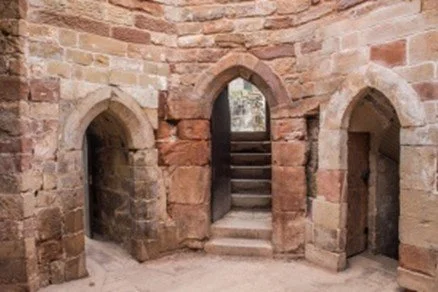
The direct connection between this feudal castle and our ancestors has not been proven but the name still carries with it a undeniable ring of prestige. The first Stafford ancestor I document in our family tree is William Stafford whose arrival in the New World will give you a clue just “how far the mighty have fallen” since their days in the castle.
[Image: Ruins of the Stafford Castle in Staffordshire, England, built around 1100 AD.]
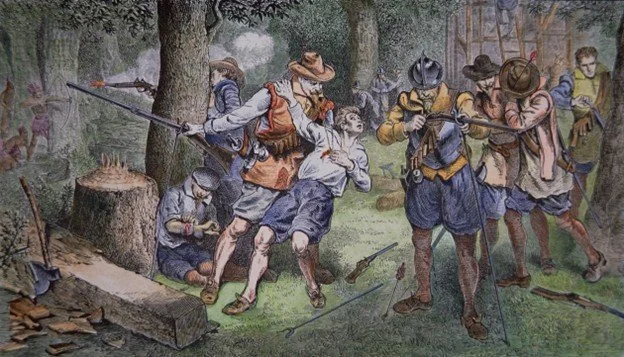
On June 12, 1622 a 180 ton ship called the Furtherance departed Gravesend England and set sail for the New World with 80 passengers. Among these brave adventurous soles was a young fourteen year old indentured servant named William Stafford. William is my 10th great grandfather. The ship stopped at the Isle of Wight in Virginia to take on additional passengers and supplies and reached Jamestown in late August of 1662. The passengers arrived at the colony at a time of crisis: Jamestown was still reeling from the Powhaten Indian Massacre in spring that had killed one quarter of the English population. The Furtherance had sailed before the news of the massacre reached England so the passengers has no idea of the dreadful hardships the Colony had experienced.
[Painting: The Defense of Jamestown]
Upon arrival William Stafford took up residence with the Lt. Francis Mason family where he was bound by his indenture (typically a 5 to 7 year arrangement). Some indentured servants were sorely mistreated in America but William was one of the lucky ones. The family apparently liked him because in 1640 he married their seventeen year old daughter Frances Mason. Oddly, this pattern of “servant becomes son-in-law” was not uncommon in the colonies. By marrying into the family William became part of a politically connected family and he gained access to a most prized possession: land. Francis gave birth to a son named William II in 1641, but sadly she died a year later. Her husband died two years later in 1644.
Not too much is known about our Stafford family ancestors that followed. William II, my 9th great grandfather (1641-1700) married Anne Elizabeth Williams settled in York County Virginia and later moved to Anne Arundal County in Maryland. At least three children were born of this union: William III, my 8th great grandfather (1662-1728), John and Mary. William III moved south to Currituck County in North Carolina. He married Jean Brown in 1683 and together they had seven children: William IV (my 7th great grandfather), Samuel, John, Edward, Ann, Frances and Mary. William IV married Elizabeth Maner and they moved further south to New Hanover County near Wilmington North Carolina. His will dated August 1765 was probated in Oct 1765 there. He left nine children: Richard, William V, John, Samuel, Seth, Mary (who married John May), Ann (who married a Forbes), Prudence (who married a Stone) and Elizabeth. A few years prior to the American Revolution there was a tide of emigration to the south. It is known that three of William the IV’s sons: William, Samuel and Seth Stafford and their widowed sister Mary May all went together to South Carolina and settled in the Beaufort District by the ocean.
Mary Stafford and John Joseph May’s marriage joined two families that are part of the limbs of the Cobb Family Tree. Mary is my 6th great grandmother and John is my 6th great grandfather. The May family story is told in a separate blog post.
