Edward Cobb, Sr (1727-?)
My Paternal 5th Great Grandfather, wife unknown
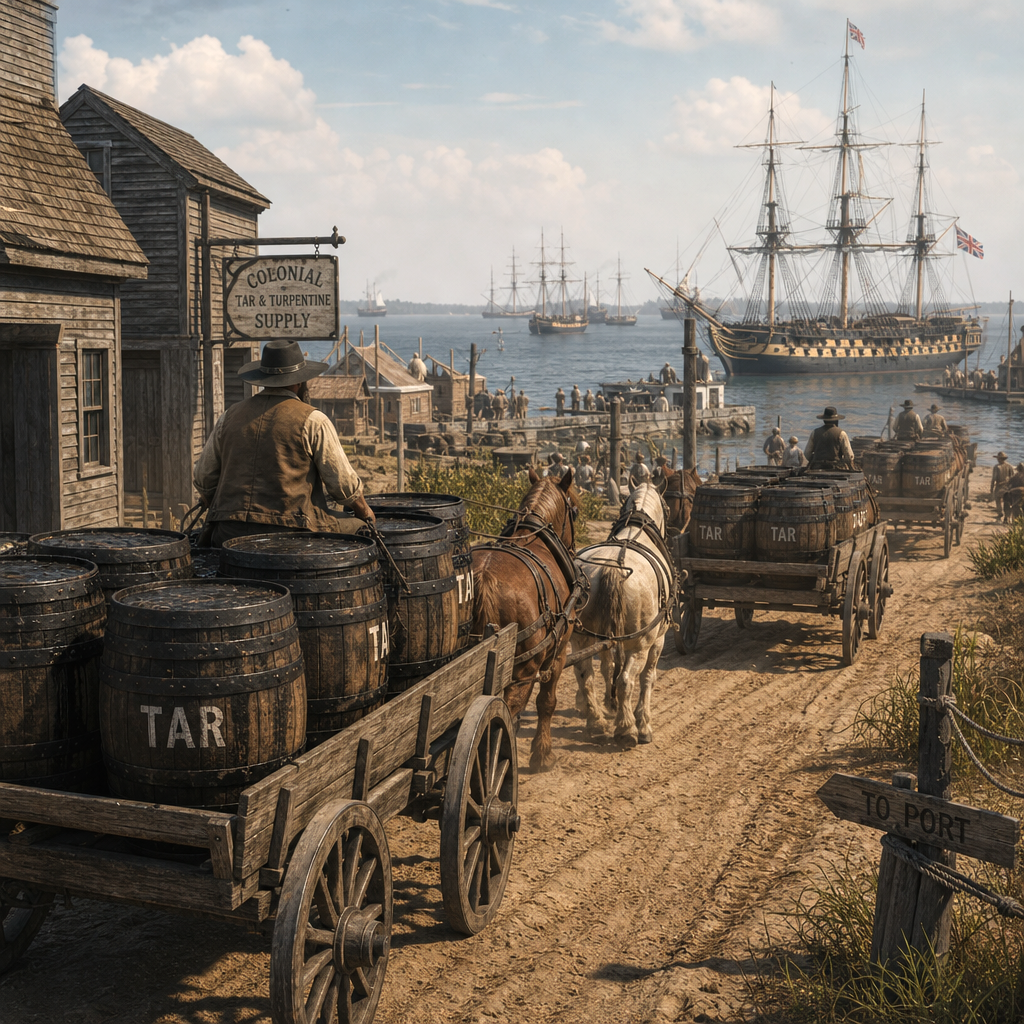
Edward Cobb, the son of William Cobb, was born in Virginia and later moved with his father to Bertie County, North Carolina. In 1742 a piece of Bertie County was carved out to form Edgecombe County. The first known record of Edward was in 1756 when his father gave him a 193 acre parcel of land on Cheek’s Mill Creek near the Tar River in Edgecombe. Some genealogists speculate that Edward had a brother named William. Others that he had a brother named James. This has not been proven. But nearly all seem to agree that Edward Sr had a son named Edward Jr. It is most likely that Edward Sr made his living the same way as his ancestors: by farming. But not in the same bucolic way you imagine.
[Image: AI generated image of farmers heading to ships to load their wares.]
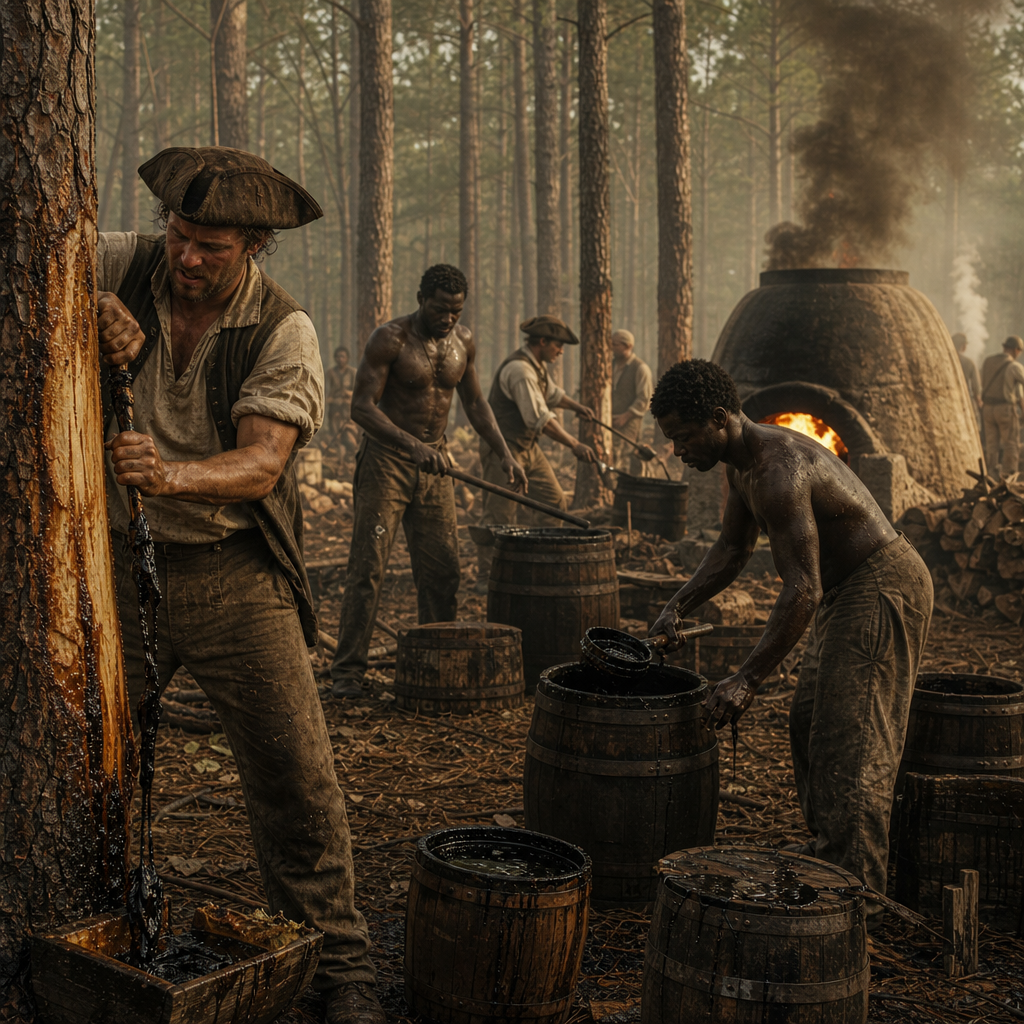
In the early years, forests were felled to make way for tobacco crops. Eventually most North Carolinian farmers abandoned tobacco for a more lucrative product: tar, pitch and turpentine (so-called naval stores). Naval stores were produced from pine trees and used to build and maintain ships. By 1770 North Carolina was a key supplier to the British Navy and was responsible for 70 percent of the tar exported from North America and 50 percent of the turpentine. Small farmers with the help of one or more enslaved persons produced most of the naval stores in North Carolina. Workers labored in the steamy heat of the southern pine forests beset by stinging insects. It was a nasty, difficult business. There are no records to prove it, but it is highly likely that Edward was involved in this type of farming. Those who owned the land prospered but those who toiled in the forest endured horrific conditions. A man like Edward with almost 200 acres in landholdings would have made a socially respectable living.
[Image: AI generated image of Tar Harvesting]
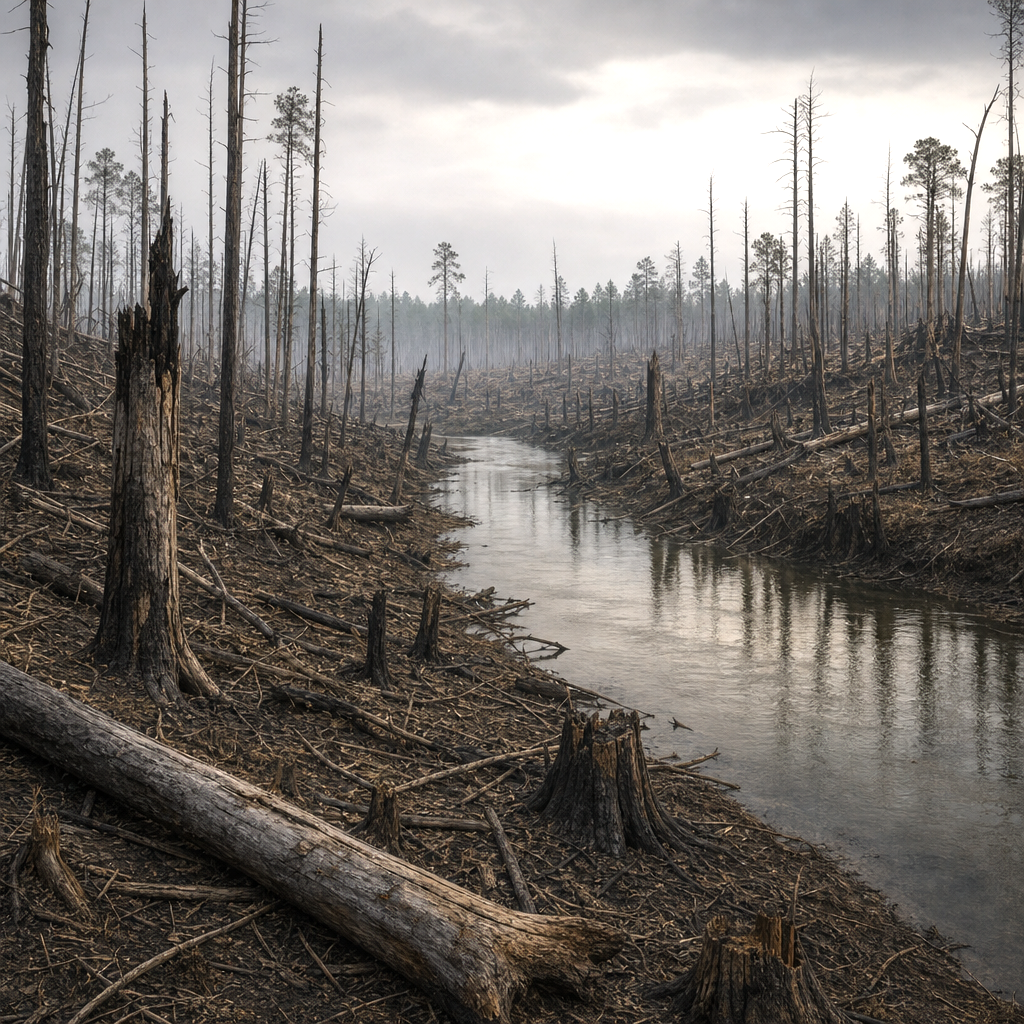
Naval store production lasted through the early 1900s and decimated virtually all of the tall, long leaf pines in North Carolina. Many think that the Tar River was named because of the naval stores but ironically the name actually originated with the Tuscarora Natives who named it “Tau River” meaning “river of health.” Early settlers could not pronounce Tau, so it became “Tar” instead. Fortunately the Tar River has regained its natural beauty today.
Because of their economic ties to England, North Carolinians were conflicted as to which side to support when anti-British hostilities broke out in Massachusetts in 1775.
British military leaders recognized that the southern colonies’ Achilles heel was the threat of an uprising of slaves against their masters. Joseph Hewes, a member of the Continental Congress, accused the British of planning to “let loose Indians on our Frontiers” and “raise the Negroes against us,” a plot that included arming slaves.
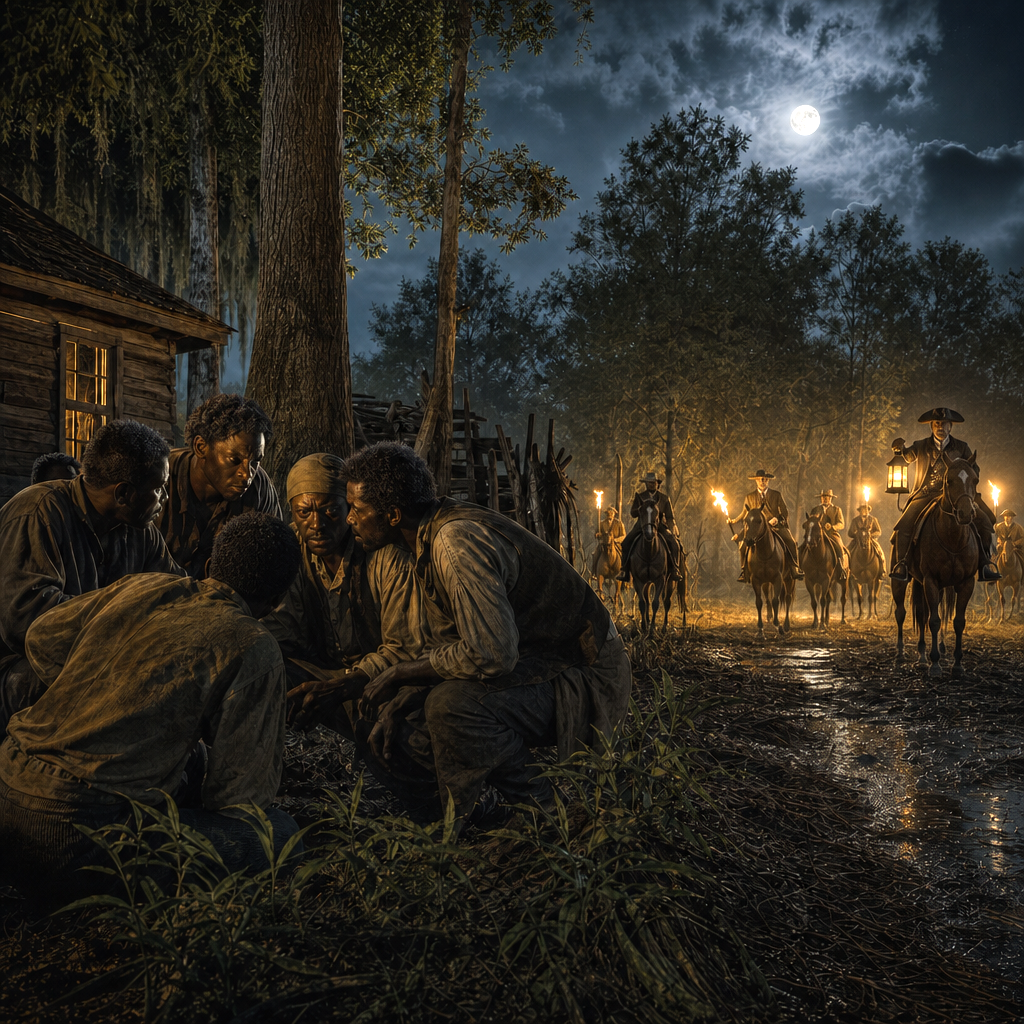
His fears were not unfounded. In July 1775, a slave plot for an insurrection was uncovered in Bertie County. The plan was to “destroy the family where they lived” and then to march “from house to house burning as they went until they arrived in the Back Country,” where they hoped to be welcomed by the British who would reward them by settling the former slaves “in a free government of their own.” A posse of one hundred men captured the suspected rebel leaders and nipped the slave rebellion in the bud.
[AI generated image of Bertie County slave uprising.]
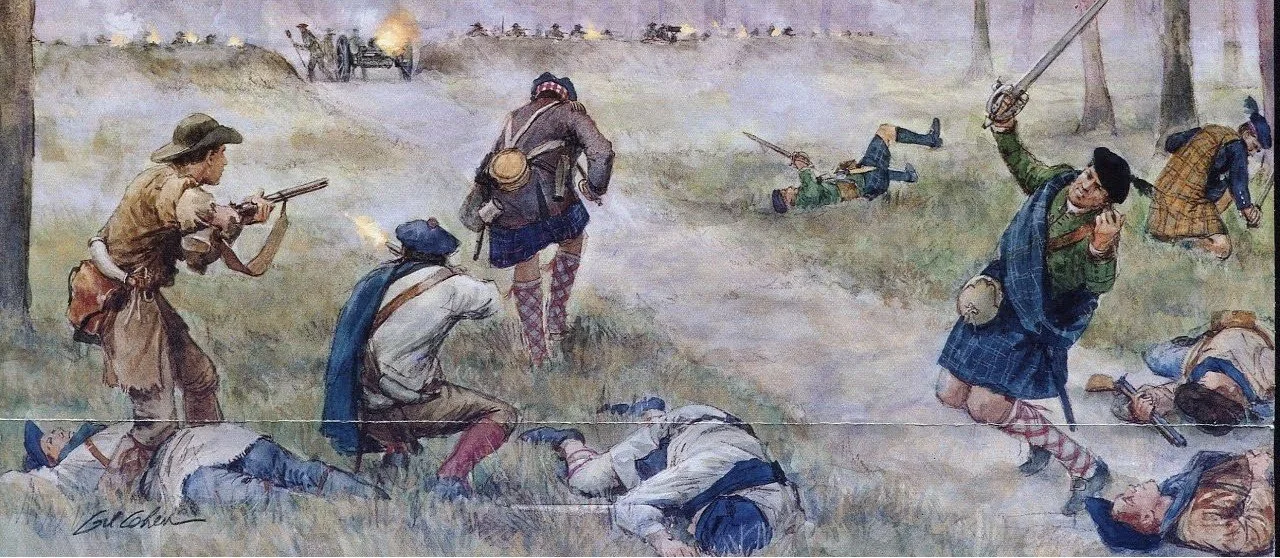
The Battle of Moore’s Creek Bridge
The first conflict of the Revolutionary War in North Carolina was fought in February of 1776 at Moore’s Creek Bridge. Known as the “Lexington and Concord” of the South, the battle crushed the loyalists and encouraged the independence movement. Two months later in April, North Carolina sent its delegates to the Continental Congress, and it became the first state to vote for independence. In total five Revolutionary War battles were waged in North Carolina. Its citizens were profoundly impacted by the British naval blockade of the coastline, and the economic shutdown it created.
Due to the scarcity of records, we don’t know what year Edward died, so we cannot know what effect the epoch making events of the Revolutionary War had on his life. However, there is no question the war had an effect on his children. His son Edward Jr’s story is told in a separate blog.
