Durant Howard Tillitt (1883-1940)
My Maternal Grandfather, married Rosa Judson Rodgers
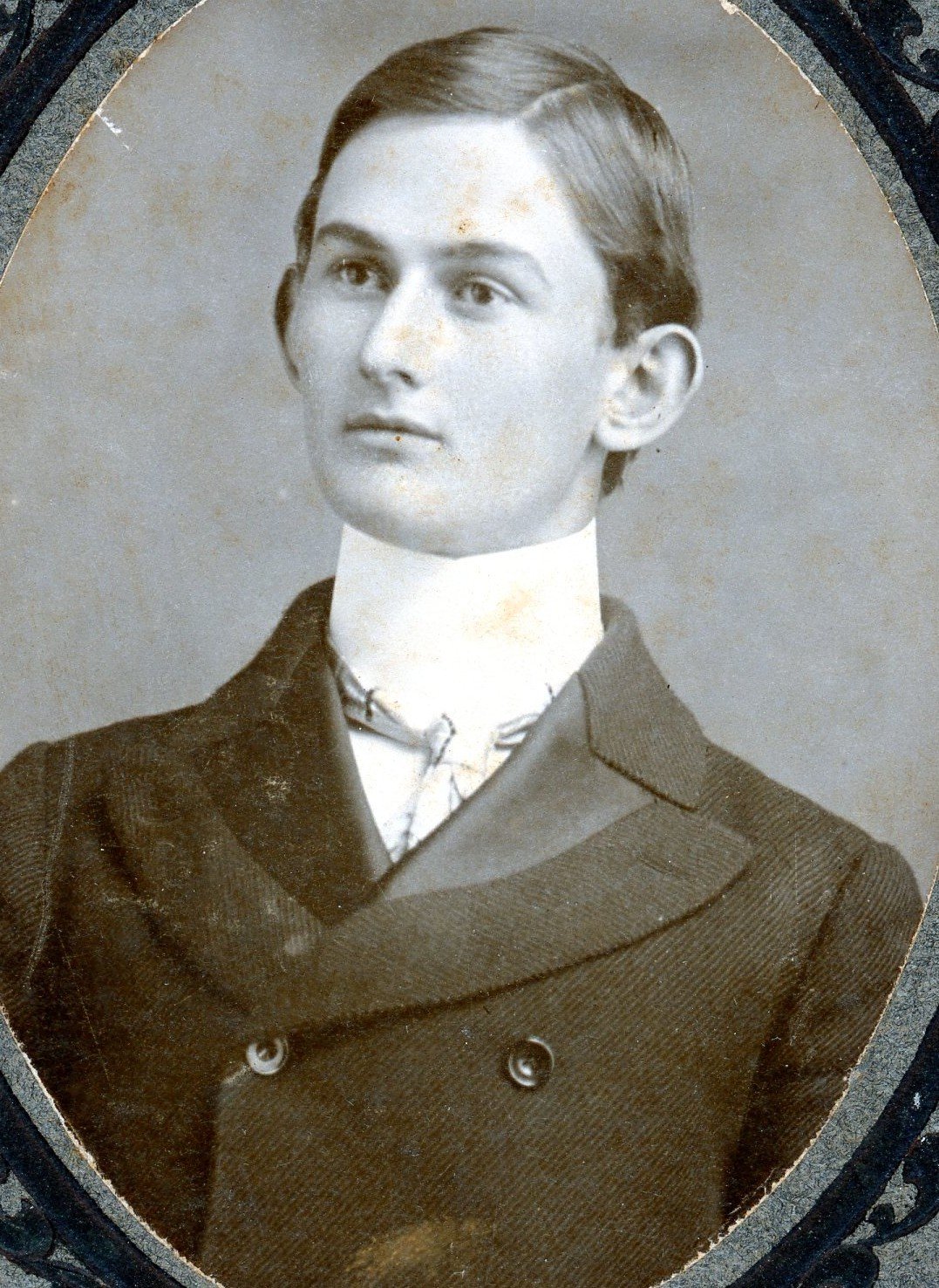
Durant Howard Tillitt, the eldest son of Gideon Marchant Tillitt and Bettie Ferebee Sanderlin, was born April 25, 1883. He was home schooled, then sent to Whitsett Institute, a private boarding school with nearly 300 students. Tuition for a full term was $20 and room and board cost $7.50 per month.
The school’s marketing materials in 1899 seem amusing by today’s standards:
“….students here are free from the dissipations and distracting influences of large cities. Magnificent groves of stately oaks, charming walks, ample athletic grounds, tennis courts, drives, etc. are here, for the school is fortunate in owning 150 acres of land. Vales decked in verdure and studded with wildflower – an educational home for students at once beautiful and healthful and delightful. Bar rooms are prohibited in the village and temptation to vice and dissipation do not exist. The moral and social atmosphere is pure…..It is almost absolutely free of malaria and fevers, etc. Students invariably improve their health while they are here.”
[Photo: Howard Tillitt as a young boy]
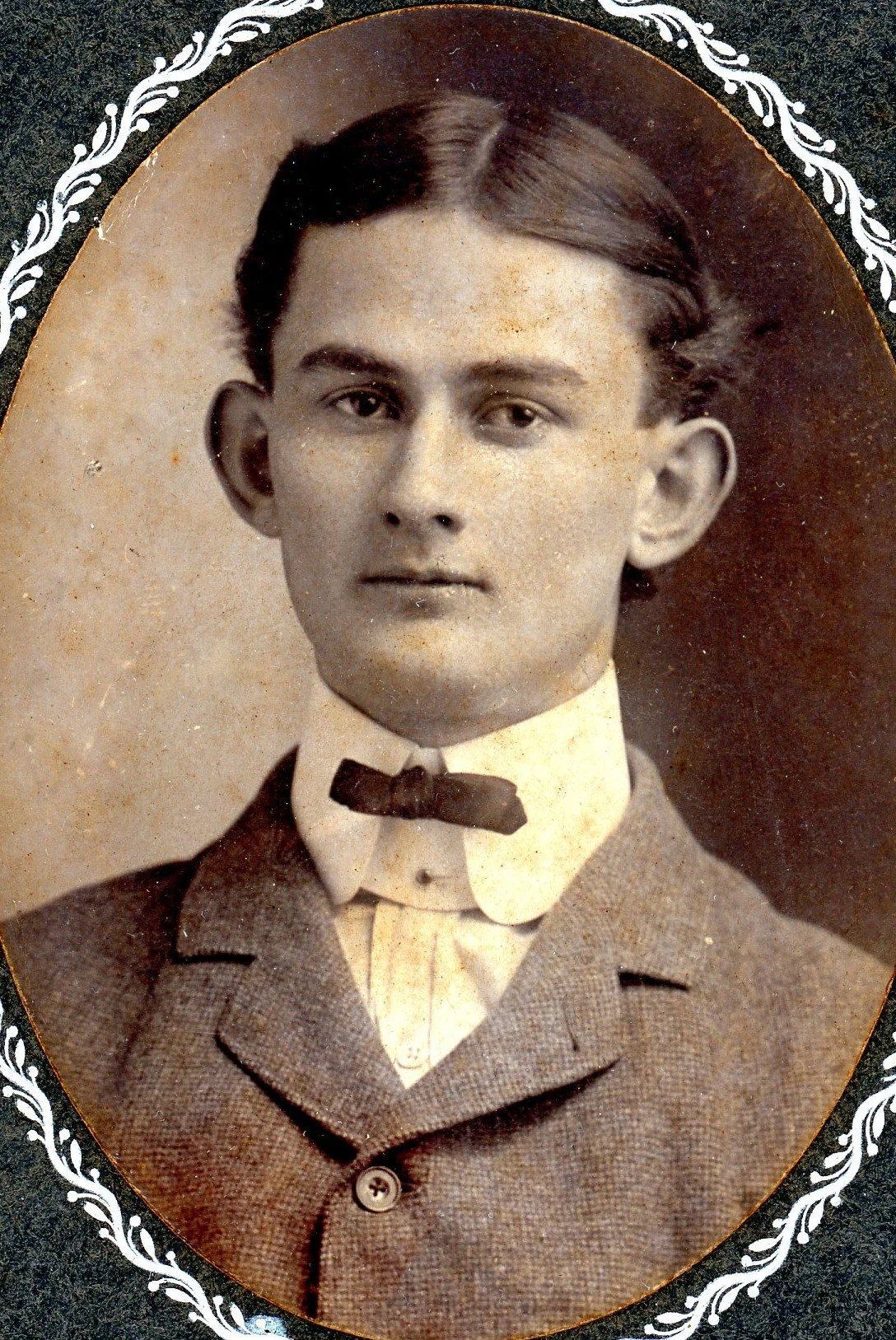
[Photo: Howard at boarding school]
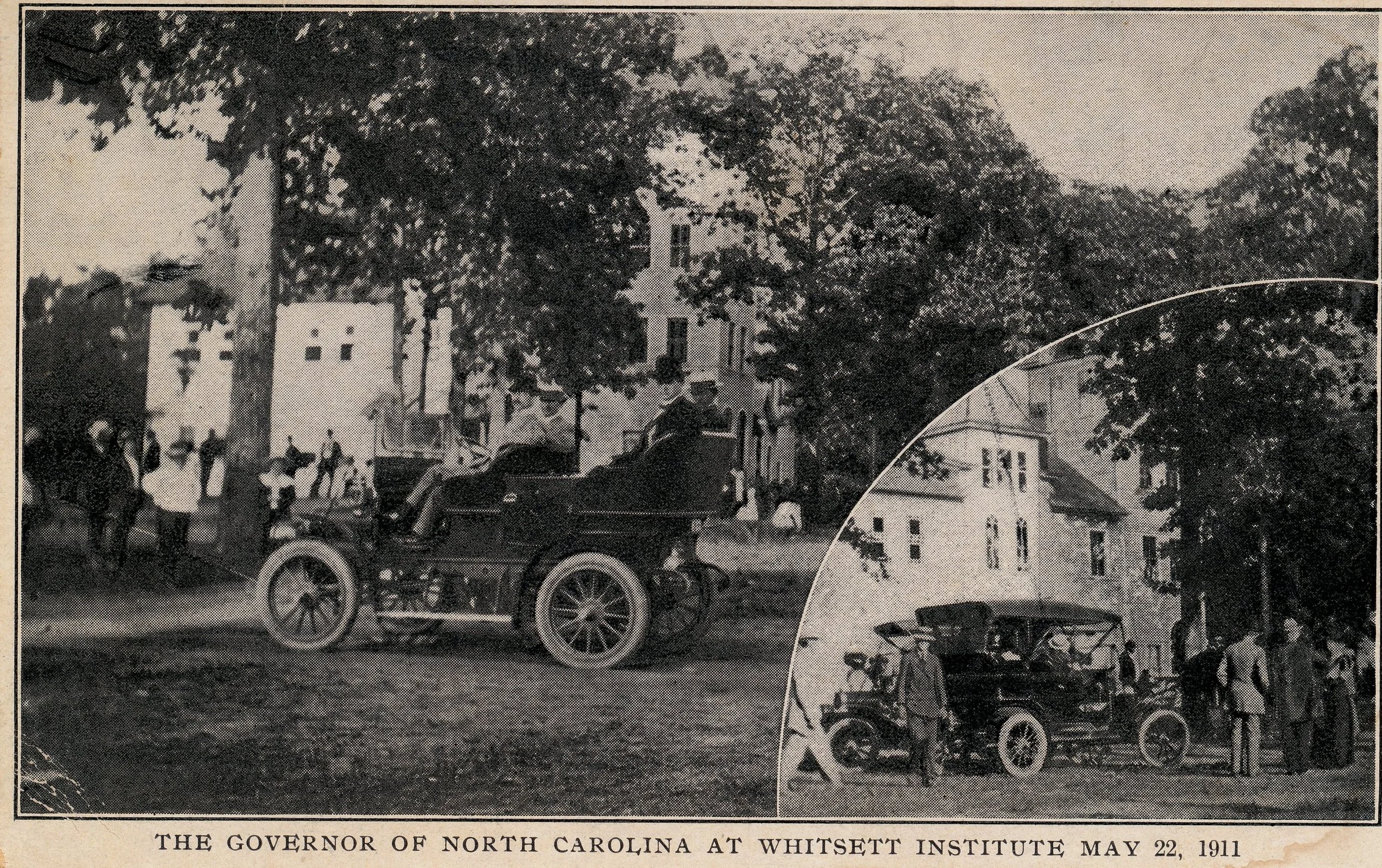
[Photo: Whitsett Institute, the boarding school where young Howard was educated]
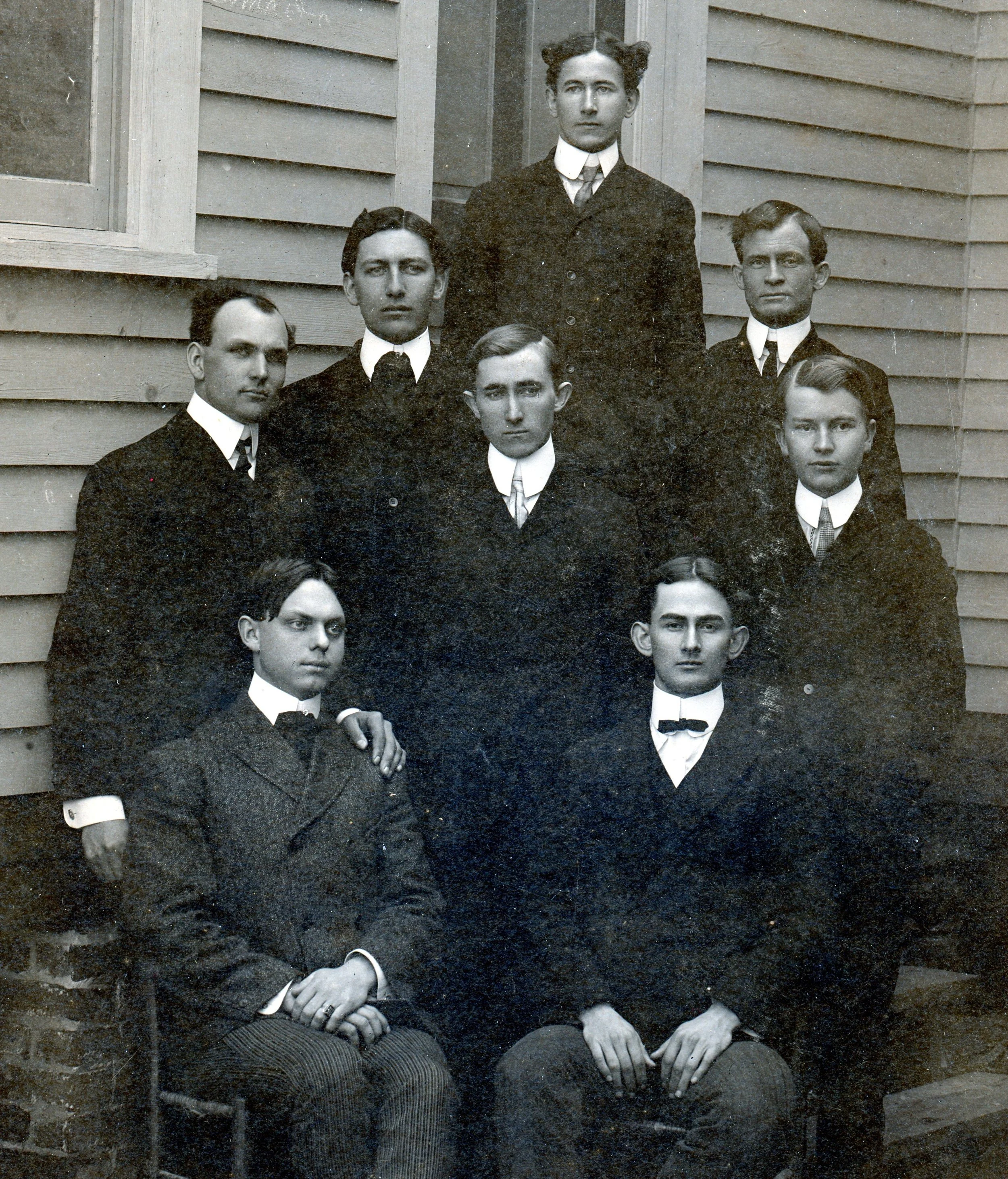
Howard attended law school at Wake Forest College where he graduated in 1909. Apparently most of his friends were medical students. In an amusing postcard he sent to his sister Bessie with his picture and five of his friends he scribbled on the back
“
On this card are five doctors and one lawyer. They would have me in practice so as to give them legal advice.”
[Photo: Howard in Law School in 1909, seated bottom row on right]
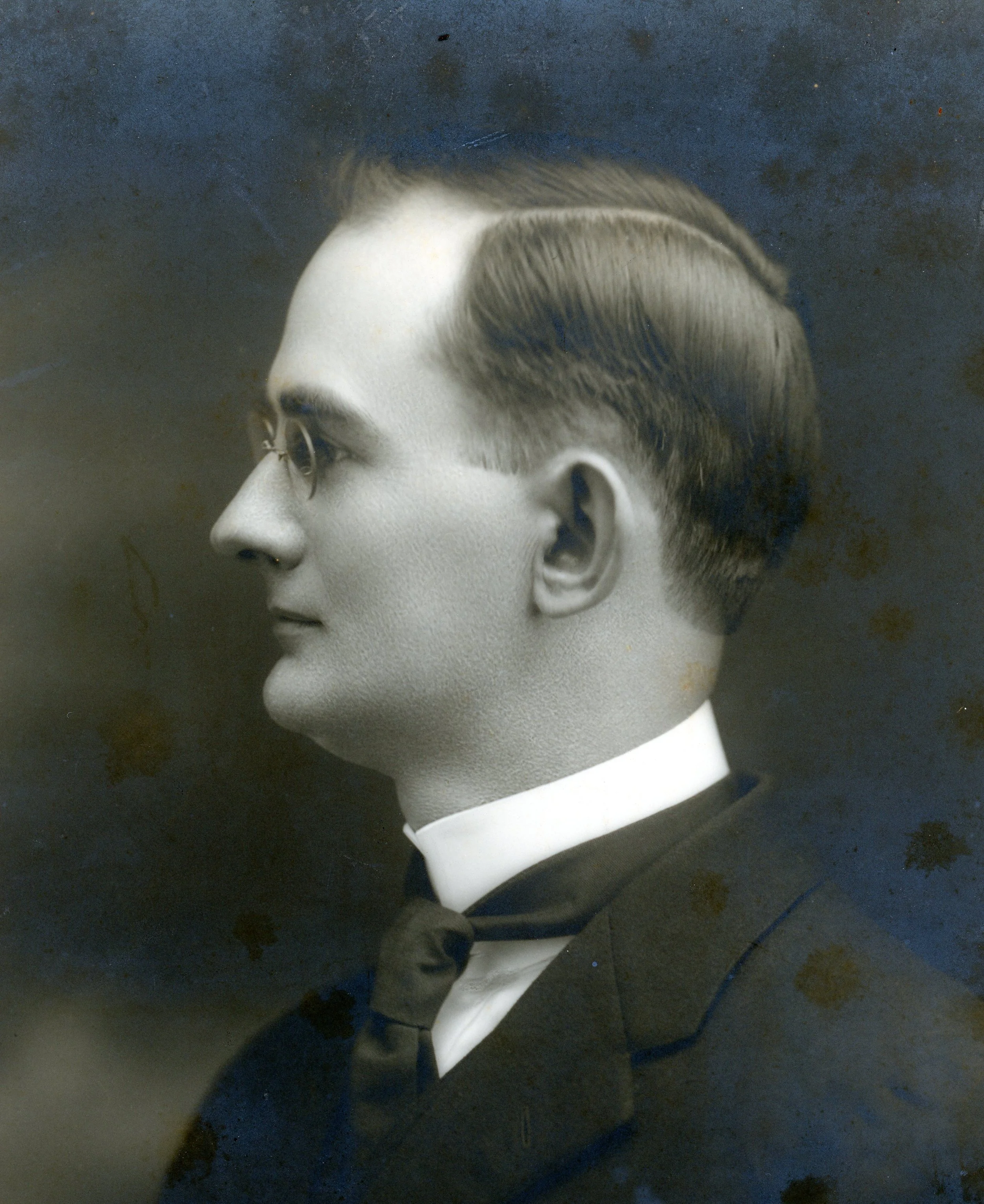
Howard was actively involved in politics. During his lifetime, he was elected as State Representative from Camden County for five terms, served on the bench of the Camden County Court, was the chairman of the Cherokee County school board, the attorney for Cherokee County, and Mayor of Andrews, North Carolina.
{Photo: Howard, exact date not known]
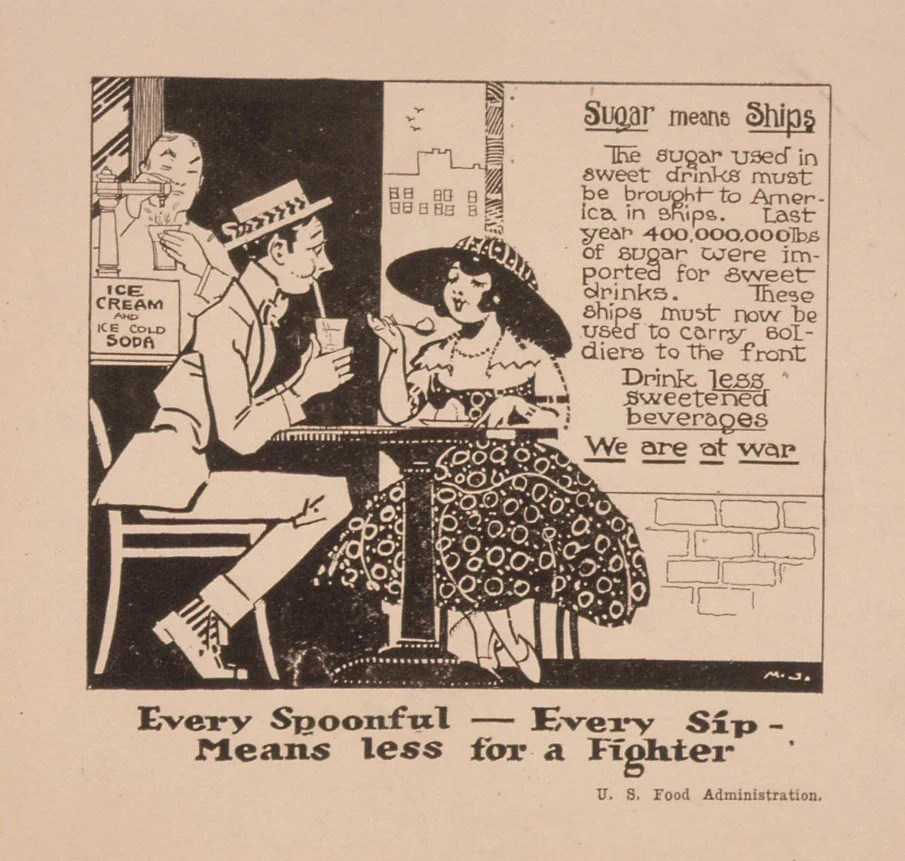
During World War I he served as the County Food Commissioner, a post established by the United States Food Administration in 1917 to control the production, distribution and rationing of food to aid in the war effort. He was also chairman of many other organizations such as The Red Cross, the Liberty Loan Drive (the selling of bonds to support the allied cause --“Halt the Hun! Buy US Bonds!”), and the Four Minute Men (a group of volunteers who read short patriotic government prepared speeches in movie theatres during the four minutes it took to change the film reel.)
[Photo: World War I War Poster]
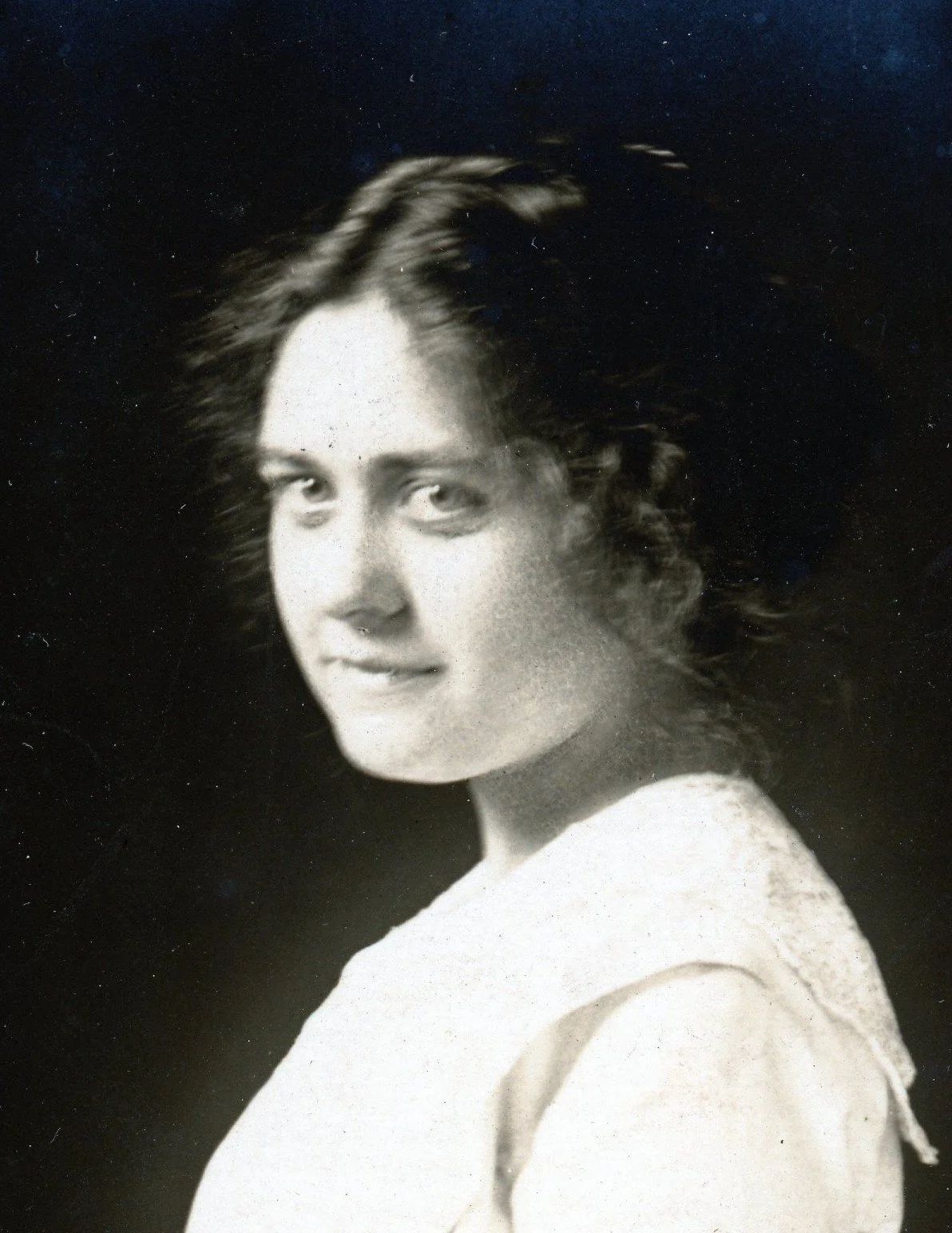
Howard fell in love with a librarian at the Raleigh, North Carolina State Library named Alice Rodgers while he was in Raleigh representing Camden County in the state Legislature and they became engaged. However, she broke off the engagement and told him he would be happier with her sister, Rosa Judson. Alice introduced them and in 1921 Howard and Rosa were married. Alice attended the wedding but sadly, on October of 1921 she passed away. According to her death certificate she had been ill for three years before her death, but the actual cause was listed as “unknown.” It appears Alice was well aware of her failing health when she broke off the engagement.
[Photo: Rosa’s sister Alice]
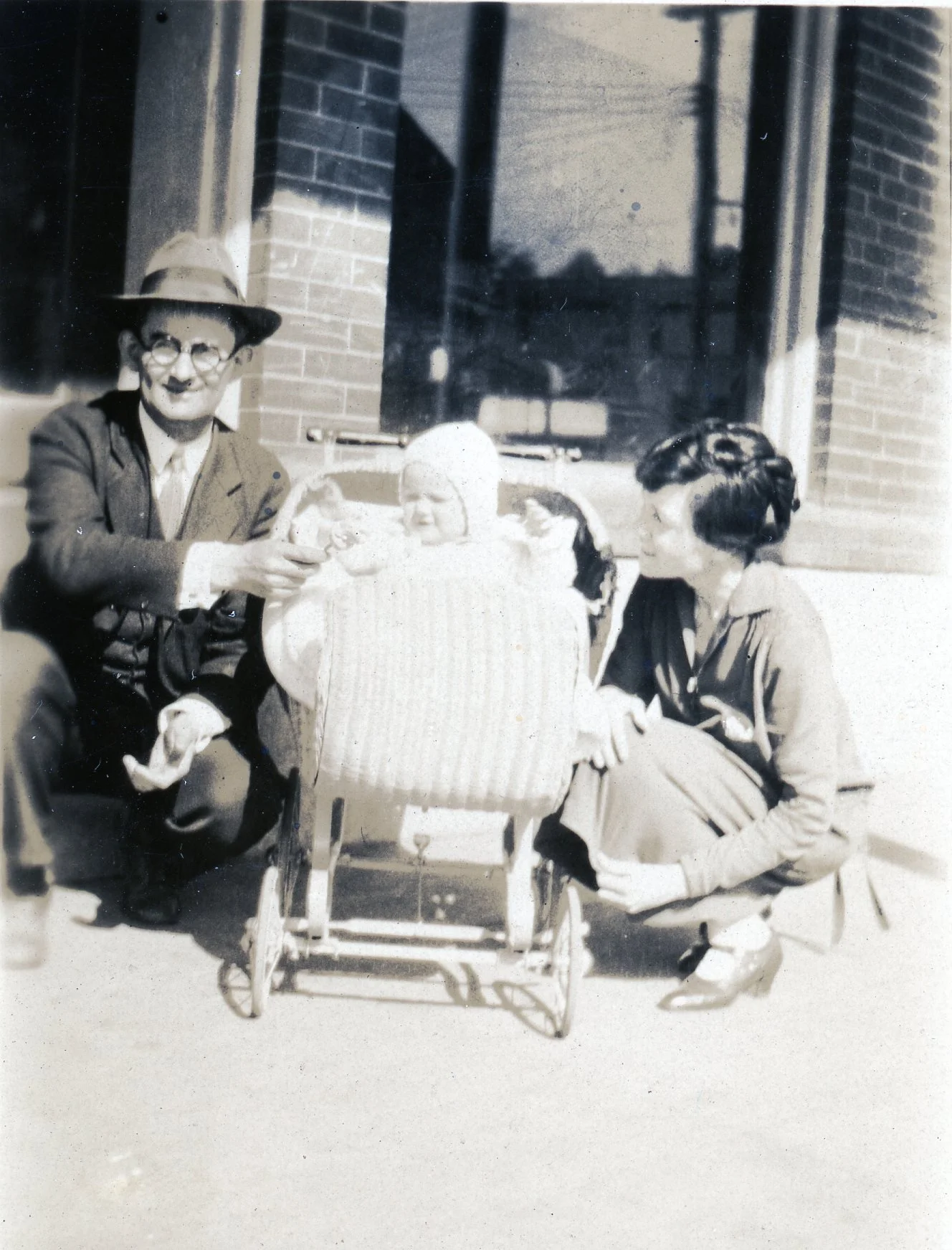
Howard and Rosa settled into married life in Andrews, a small town tucked away in the far west corner of the mountains of North Carolina -- “elevation 2,000, population 2,000.” A newspaper article announcing his relocation reported:
“D. Howard Tillitt, of Camden, has gone from his beloved Camden County to cast his lot among people of the hills, going into law practice in Andrews, North Carolina with C.C. Smathers, a young attorney of that place. He says he leaves Camden, the home of his childhood, because he thinks Andrews is just that much closer to heaven.”
Rosa taught school until the birth of their daughter (my mother), Bettie Anna in 1927. Rosa objected to her husband’s political career, so they compromised, and he settled for managing the political campaigns of others. He was the western district manager for three successive governors. When he ran for Mayor in Andrews, Rosa claimed she voted for his opponent, but everyone knew it wasn’t true.
[Photo: Howard and Rosa with Bettie Anna in 1928]
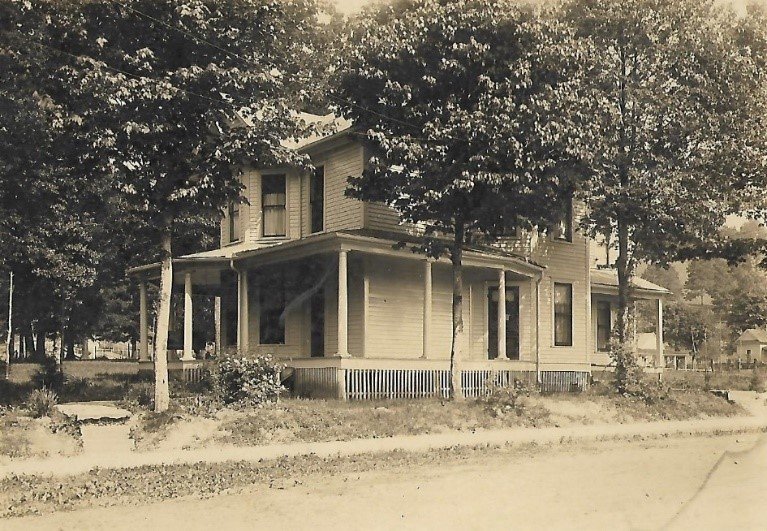
The family was well off compared to most of their neighbors. My mother recalled that they had a maid (who was paid $3 per week), a yard man and a laundry woman. When the great depression hit in 1929, my mother was sheltered from the brunt of the upheaval it caused others in the community. And yet, it must have had a lasting effect on my grandmother because as a child I remember she always set the table by tearing the paper napkins in half and leftover milk from breakfast cereal was put back in the fridge.
[Photo: The family home in Andrews, North Carolina]
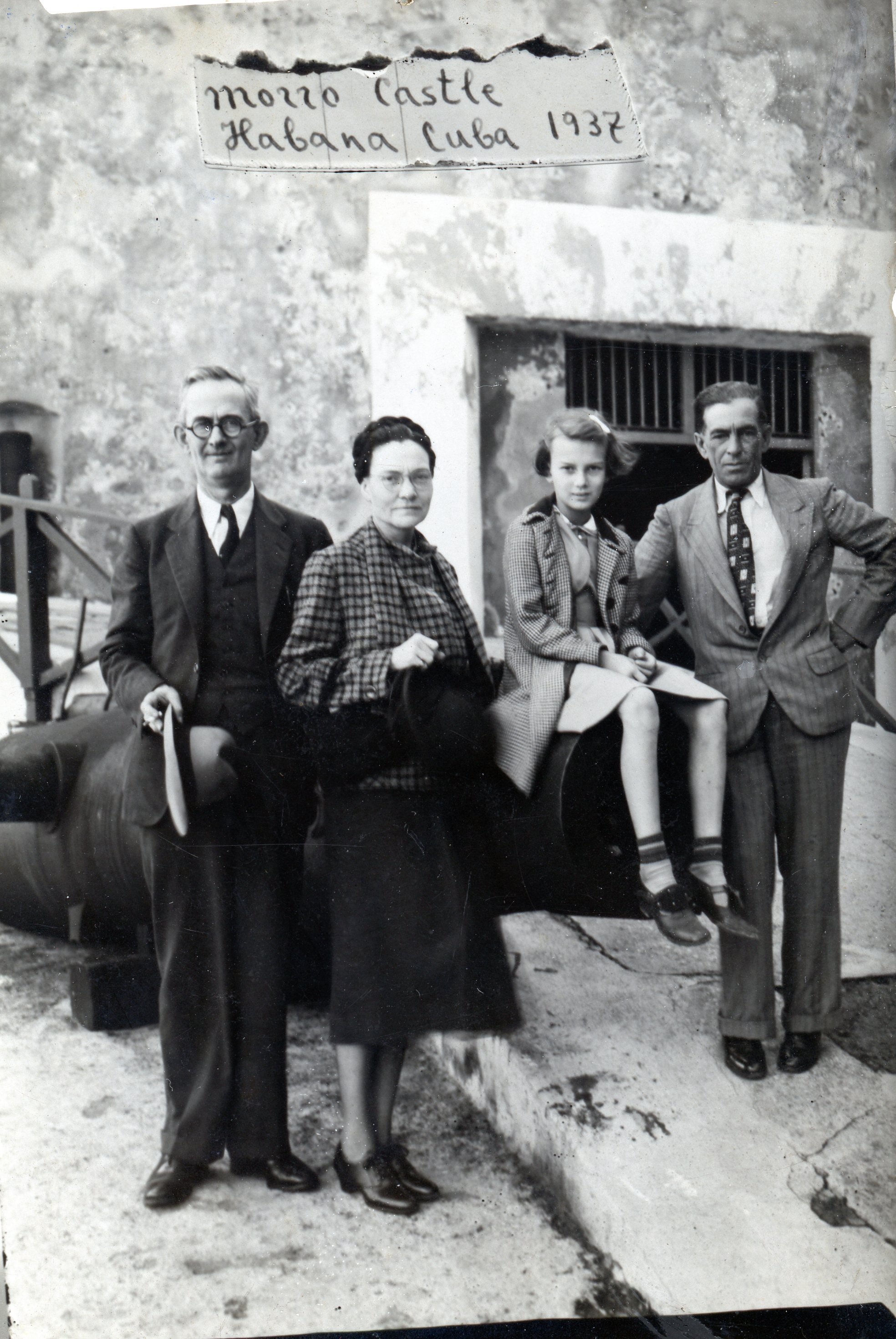
Despite how active Howard was in his business life, my mother recalls that every day on her way home from school she would stop in to visit him at his office, and he always dropped whatever he was doing to spend time with her. He unfailingly wore a hat to work – a fedora in winter and a hard flat top straw hat in the summer. In the 1930’s Rosa bought him a radio, and he took great pleasure in listening to baseball.
One of Howard’s clients was in the railroad business and gave him free passes that he used to take the family on various train excursions. In 1936 he took the family on an overnight train trip to Miami where they caught a ferry to Havana, Cuba for Christmas. Down the street from their hotel Howard discovered an “all you can eat for 5 cents oyster stand.” He consumed so many oysters that he attracted a crowd, and the owner begged him to stop because he was losing so much money.
[Photo: The family on their Cuban vacation in 1937]
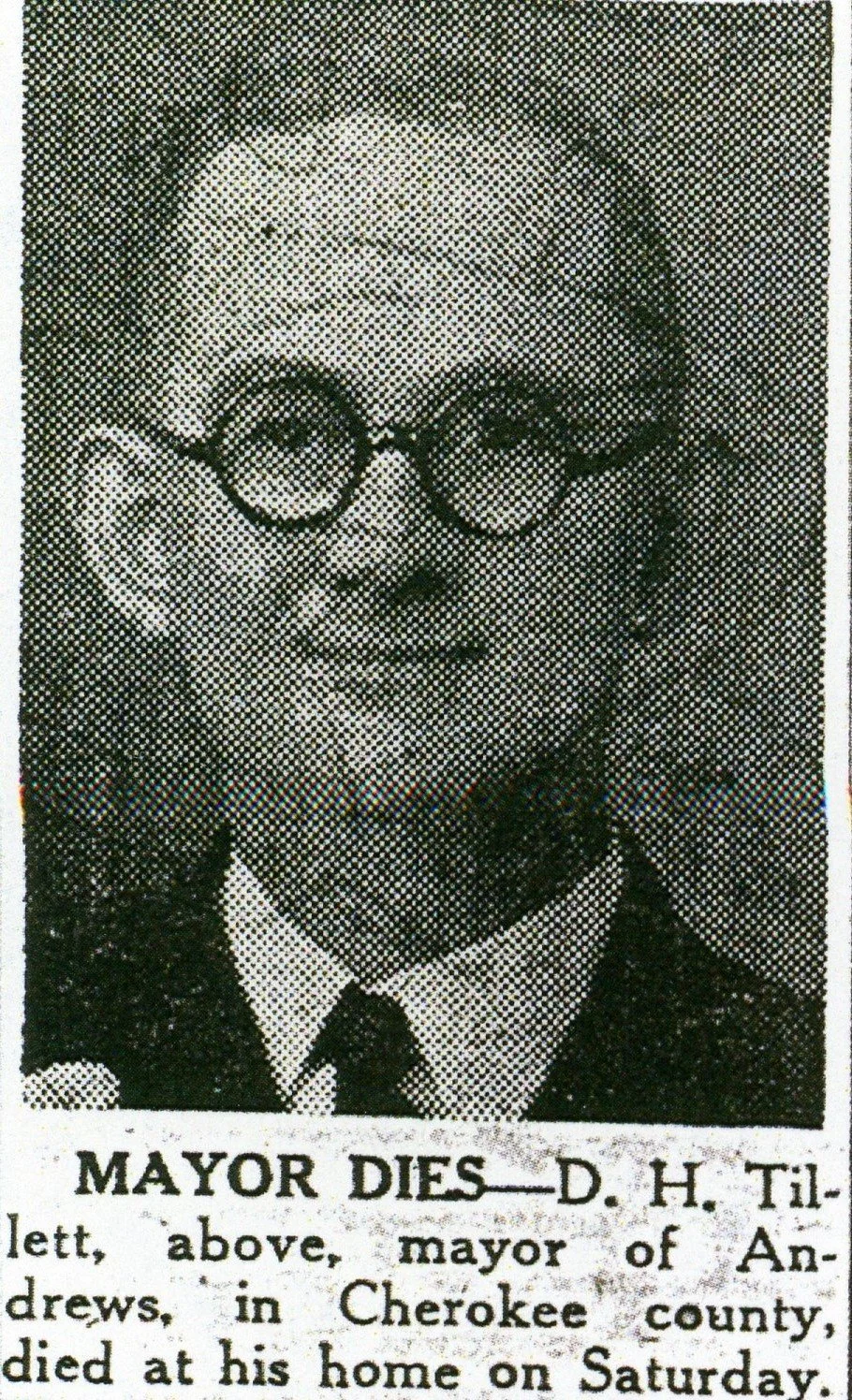
One Friday night on April 13, 1940 Howard came home from work and complained that he was tired. After dinner, he sat down in his easy chair by the fireplace in the living room to chat with a friend. He reached for his pipe for his customary after dinner smoke and was filling the bowl when he slumped over in his chair. His heart stopped beating and moments later he was gone. His heart attack, despite being his second heart attack within the last year, stunned his wife and daughter. My mother was only 12 when it happened. Even into her nineties she referred to him as “my daddy” with a childlike quality to her voice as transported back in time. She said she felt close to him because when he died she was too young to think of him as anything but perfect.
Howard was well loved by his community. According to a newspaper article “almost a truck load of flowers banked the grave”. He was remembered as “a kind, generous man always ready for a friendly chat or to help out a neighbor or friend.”
In his will he left everything to his beloved wife Rosa, “who has been my chief source of comfort, support, cheer and affection and who has never failed me in any moment of darkness or joy” with the knowledge that she would take care of the daughter he had loved so much.
[Photo: From local newspaper reporting his death]
